
Clear answers.
Better movement.
Practical, evidence-informed guides to help you understand common injuries, treatment options and the steps that support recovery.
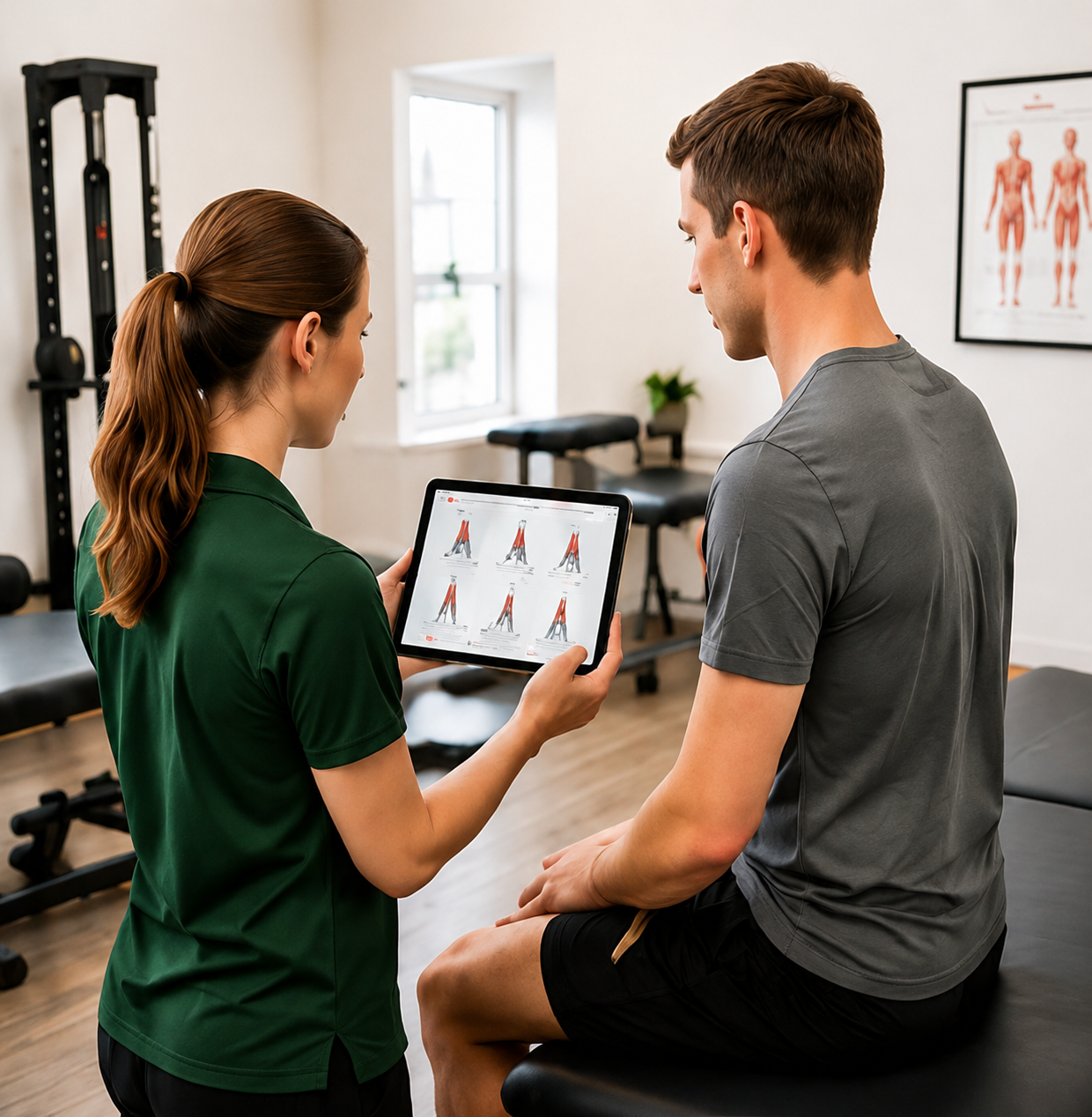
Latest guides
Treatment explained · evidence and safety
Shockwave therapy
Where shockwave may help, how evidence differs by condition, and important precautions before treatment.
Read the shockwave guideTreatment explained · evidence and safety
Manual therapy explained
Mobilisation, manipulation and massage: where hands-on care may fit, the evidence, alternatives and important precautions.
Read the manual therapy guideTreatment explained · evidence and safety
Taping in physiotherapy
Rigid and elastic tape explained, condition-specific benefits, practical limitations and skin safety.
Read the taping guideTreatment explained · evidence and safety
Therapeutic ultrasound
Sound-wave treatment explained, selective pain-relief evidence, condition-specific limits and safety checks.
Read the therapeutic ultrasound guideTreatment explained · evidence and safety
TENS for pain relief
Understand temporary pain relief, condition-specific recommendations, and safe use of skin-electrode stimulation.
Read the TENS guideTreatment explained · evidence and safety
Dry needling: benefits, evidence and safety
What dry needling involves, where short-term benefits may fit, and the precautions and risks to discuss before treatment.
Read the dry needling guideTreatment explained · evidence and safety
Cupping: stationary and sliding techniques
Compare the techniques, understand the evidence and consider skin sensitivity, precautions and alternatives.
Read the cupping guide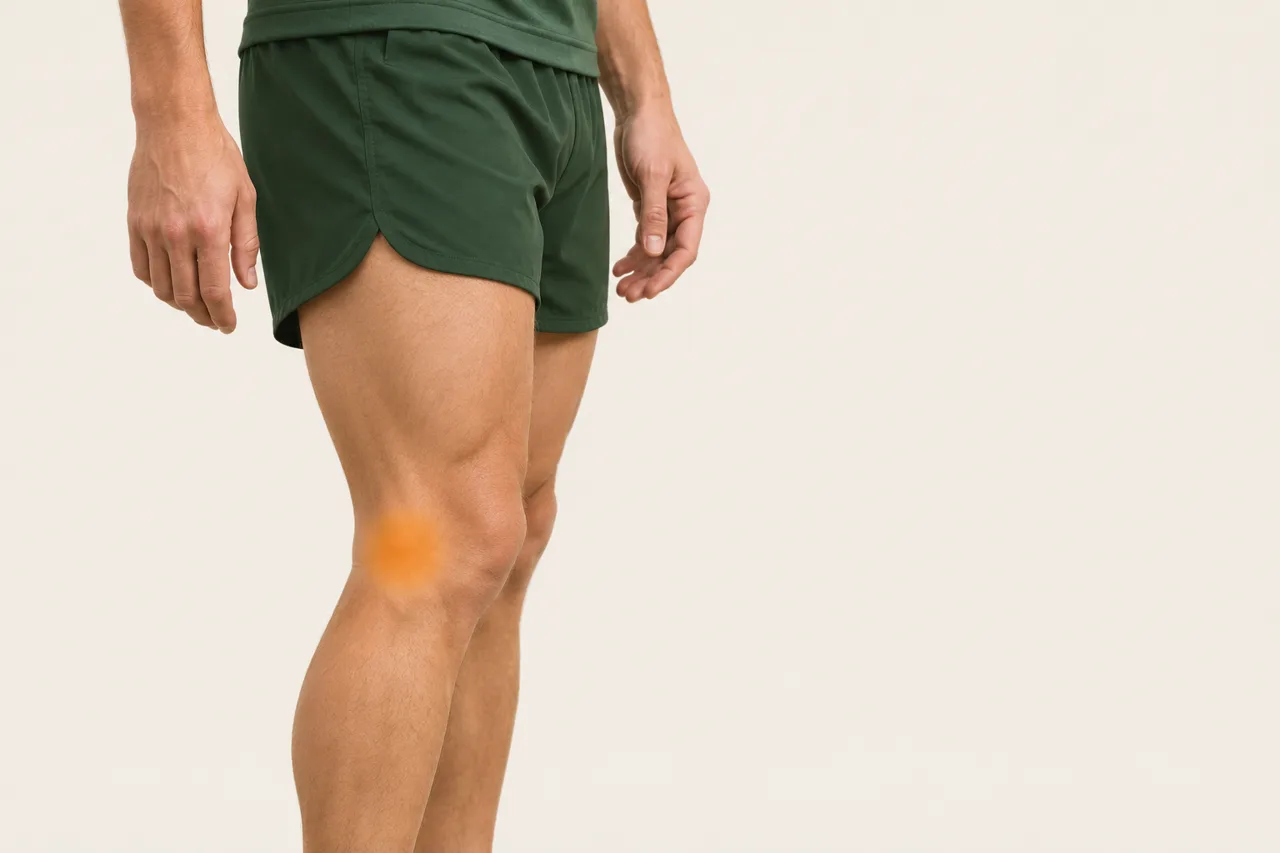
IT band syndrome and outer knee pain
Understand running-related outer knee pain, assessment limits and graded rehabilitation.
Includes source links. General information, not a diagnosis.
Read the IT band syndrome guide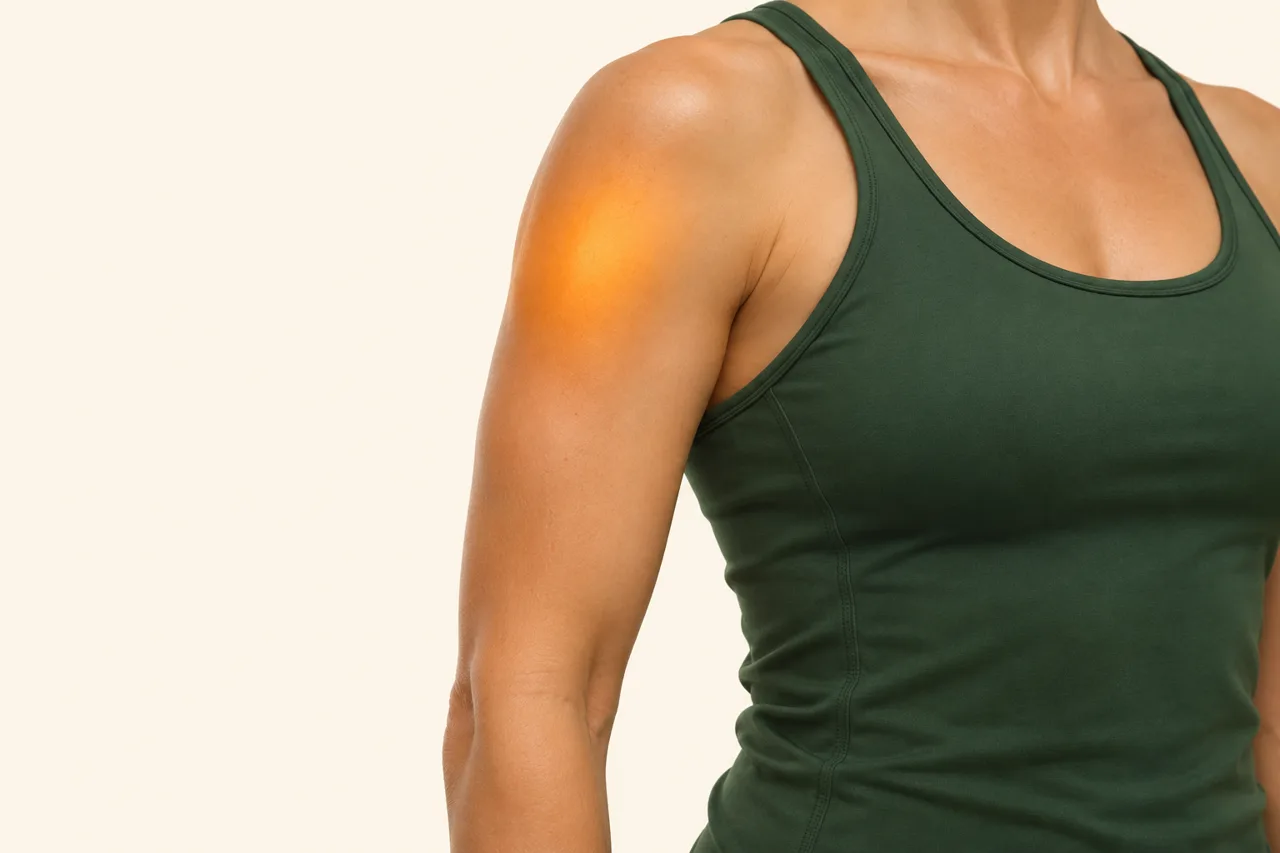
Proximal humerus fracture rehabilitation
How rehabilitation supports recovery after a broken shoulder, within your fracture-care team's plan.
Includes source links. General information, not a diagnosis.
Read the shoulder-fracture guideCubital tunnel syndrome
Understand hand tingling, elbow nerve irritation, assessment and when weakness needs prompt review.
Includes source links. General information, not a diagnosis.
Read the cubital tunnel syndrome guideShin splints
Understand MTSS, alternative causes of shin pain and safe next steps.
Includes source links. General information, not a diagnosis.
Read the shin splints guideCervical radiculopathy
Neck-related arm symptoms, diagnostic limits and conservative care.
Includes source links. General information, not a diagnosis.
Read the cervical radiculopathy guidePersistent jaw pain
TMD assessment, evidence for conservative care and dental coordination.
Includes source links. General information, not a diagnosis.
Read the persistent jaw pain guidePatellar tendinopathy
Kneecap tendon pain, progressive rehabilitation and realistic evidence.
Includes source links. General information, not a diagnosis.
Read the patellar tendinopathy guideLumbar spinal stenosis
Leg symptoms during walking, alternative causes and individualised care.
Includes source links. General information, not a diagnosis.
Read the lumbar spinal stenosis guideHip osteoarthritis
Assessment, activity goals and realistic treatment options.
Includes source links. General information, not a diagnosis.
Read the hip osteoarthritis guideLateral ankle sprain
Assessment, rehabilitation and readiness to return to activity.
Includes source links. General information, not a diagnosis.
Read the lateral ankle sprain guideKnee osteoarthritis
Understand knee arthritis, treatment options and when to seek assessment.
Includes source links. General information, not a diagnosis.
Read the knee osteoarthritis guideSciatica
A concise visual guide to symptoms, assessment, care and warning signs. Includes source links; general education, not a diagnosis.
Read the sciatica guideNeck pain
A concise visual guide to symptoms, assessment, care and warning signs. Includes source links; general education, not a diagnosis.
Read the neck pain guideCervicogenic headache
A concise visual guide to symptoms, assessment, care and warning signs. Includes source links; general education, not a diagnosis.
Read the cervicogenic headache guideFrozen shoulder
A concise visual guide to symptoms, assessment, care and warning signs. Includes source links; general education, not a diagnosis.
Read the frozen shoulder guideCarpal tunnel syndrome
A concise visual guide to symptoms, assessment, care and warning signs. Includes source links; general education, not a diagnosis.
Read the carpal tunnel syndrome guideThumb-base osteoarthritis
A concise visual guide to symptoms, assessment, care and warning signs. Includes source links; general education, not a diagnosis.
Read the thumb-base osteoarthritis guideOuter hip pain
A concise visual guide to symptoms, assessment, care and warning signs. Includes source links; general education, not a diagnosis.
Read the outer hip pain guidePatellofemoral pain
A concise visual guide to symptoms, assessment, care and warning signs. Includes source links; general education, not a diagnosis.
Read the patellofemoral pain guideMeniscal knee pain
A concise visual guide to symptoms, assessment, care and warning signs. Includes source links; general education, not a diagnosis.
Read the meniscal knee pain guideAchilles tendinopathy
A concise visual guide to symptoms, assessment, care and warning signs. Includes source links; general education, not a diagnosis.
Read the achilles tendinopathy guideCalf strain
A concise visual guide to symptoms, assessment, care and warning signs. Includes source links; general education, not a diagnosis.
Read the calf strain guideHamstring strain
A concise visual guide to symptoms, assessment, care and warning signs. Includes source links; general education, not a diagnosis.
Read the hamstring strain guideDe Quervain wrist pain
A concise visual guide to symptoms, assessment, care and warning signs. Includes source links; general education, not a diagnosis.
Read the de quervain wrist pain guide
Adductor-related groin pain
Understand inner-thigh and groin pain, assessment limits, rehabilitation and when medical review matters.
Includes source links. General information, not a diagnosis.
Read the guide
Trigger finger
Learn about catching or locking fingers, assessment, splinting and other treatment options.
Includes source links. General information, not a diagnosis.
Read the guide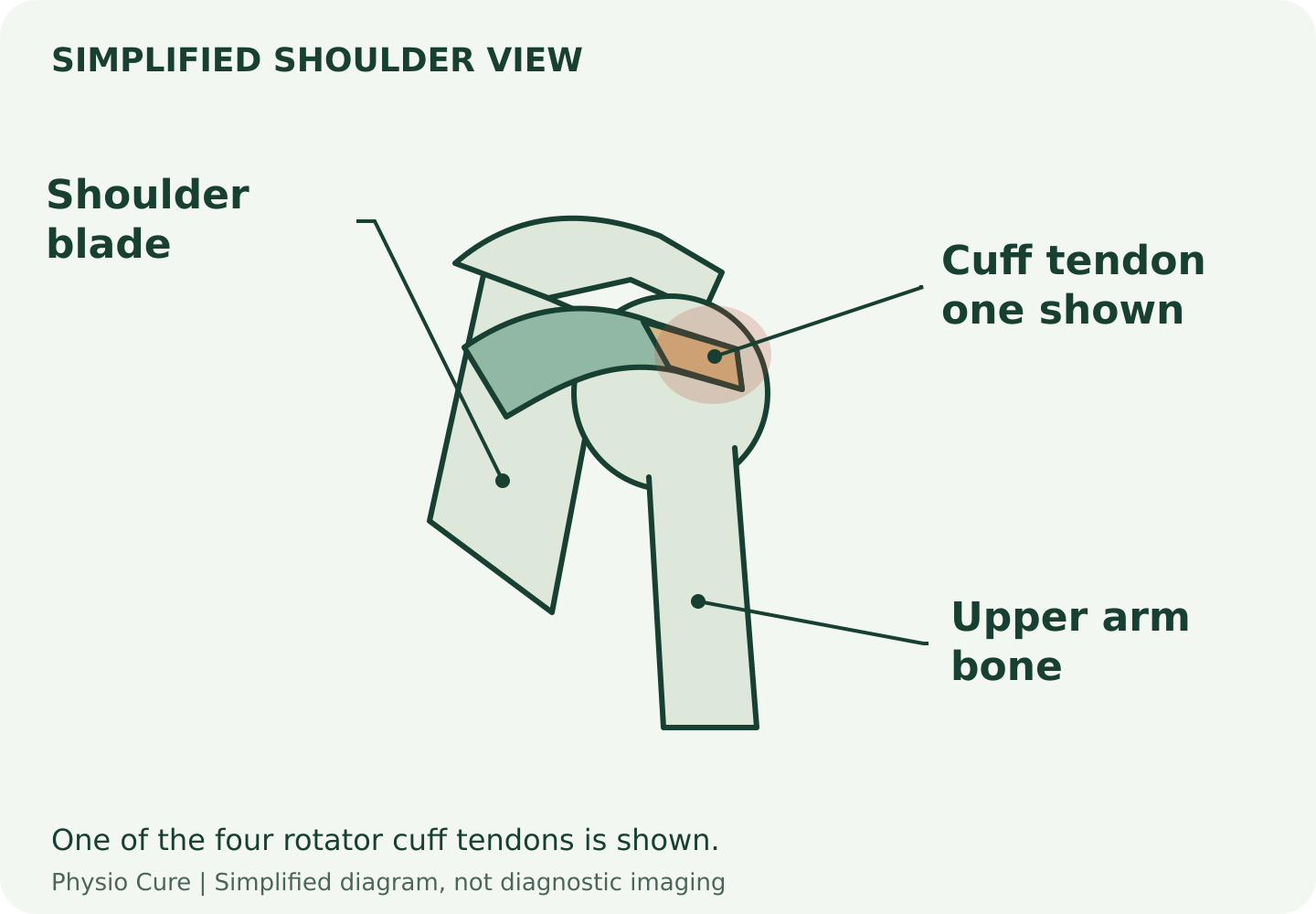
Rotator cuff related shoulder pain
Understand shoulder tendon pain, assessment and how progressive exercise may help with reaching and lifting.
Includes source links. General information, not a diagnosis.
Read the shoulder pain guide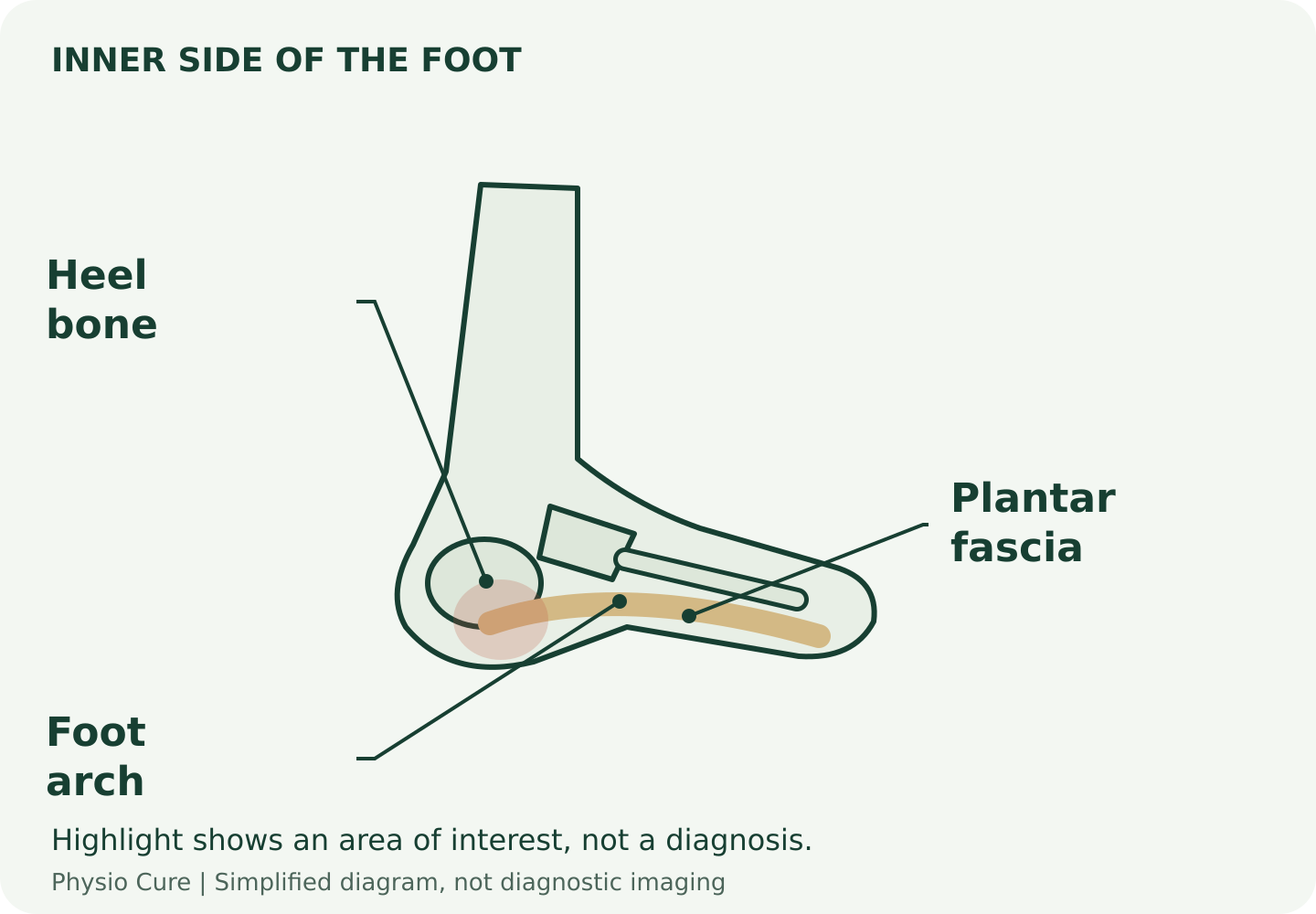
Plantar heel pain
Possible causes of heel pain, how physiotherapy assesses it and what current research says about treatment.
Assessment, differential diagnoses and selected research. General information, not a diagnosis.
Read the plantar heel pain guide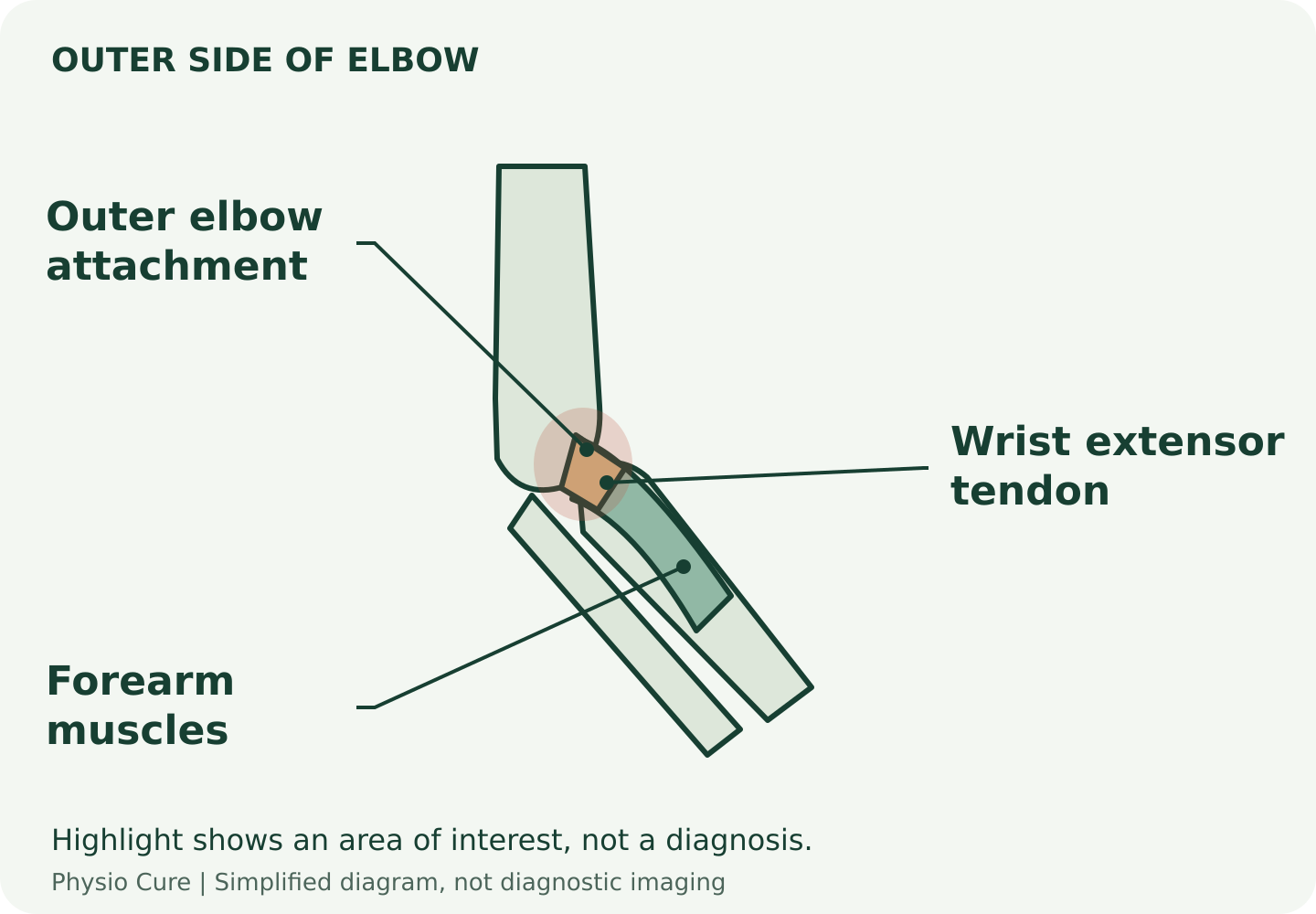
Tennis elbow
Symptoms, alternative causes of outer-elbow pain and a balanced look at the evidence for treatment.
Assessment, differential diagnoses and selected research. General information, not a diagnosis.
Read the tennis elbow guide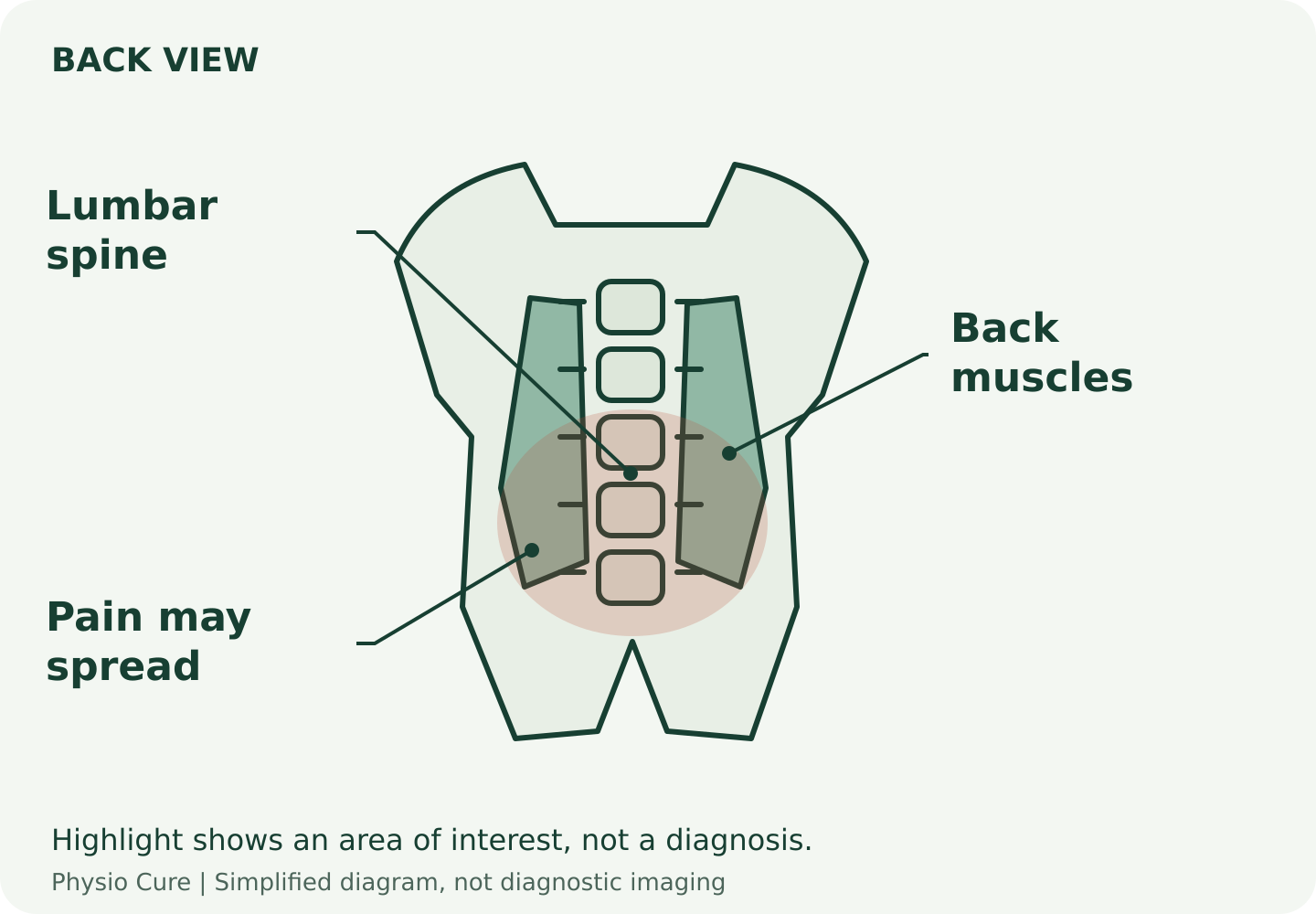
Low back pain
A visual introduction to common low back pain, staying active and when to seek assessment.
Includes source links. General information, not a diagnosis.
Read the low back pain guideTwo Convenient Clinics
Choose the clinic that is most convenient for you.