
Shockwave therapy: a condition-specific treatment option
Shockwave therapy may be considered for selected persistent tendon-related, plantar heel or other carefully assessed presentations. Evidence, device type and suitability differ by condition.

Understanding the treatment
What is shockwave therapy?
Shockwave therapy delivers mechanical pressure waves to a selected treatment area through a hand-held device and coupling gel. Treatment settings are chosen according to the device, body area, diagnosis, clinical plan and your tolerance.
Radial pressure-wave therapy
Pressure waves disperse from the handpiece and are generally used for more superficial musculoskeletal targets.
Focused shockwave therapy
Waves converge at a focal point. Focused and radial technologies have different energy profiles and should not be presented as interchangeable.
Your physiotherapist will explain the available device and whether its use is appropriate for your presentation. Shockwave is not promoted as breaking down all scar tissue, regenerating every injury or guaranteeing that surgery can be avoided.

Condition-specific use
Where shockwave therapy may be considered
These examples do not mean every person with the named condition is suitable. Diagnosis, symptom behaviour, medical history and reasonable alternatives must be considered first.

Foot
Plantar heel pain
Selected persistent plantar fasciopathy presentations after other causes are considered.

Achilles
Achilles tendinopathy
Selected mid-portion or insertional presentations, with treatment adapted to the clinical situation.

Outer elbow
Tennis elbow
Persistent lateral elbow tendinopathy where shockwave is a reasonable option after assessment.

Knee
Patellar tendinopathy
Selected persistent presentations, usually alongside progressive loading and activity planning.

Outer hip
Gluteal tendinopathy
Some greater trochanteric pain presentations may be considered following differential assessment.

Shoulder
Calcific rotator-cuff tendinopathy
Only when the diagnosis, device, treatment type and clinical pathway make shockwave appropriate.
Additional selected uses

Frozen shoulder
It may be discussed only as an adjunct within a broader management plan. Evidence and protocols are heterogeneous.

Golfer's elbow
Selected persistent medial elbow tendinopathy may be considered, although the evidence is less developed than for lateral elbow tendinopathy.
Bursitis requires a diagnosis
Bursitis is not one uniform condition. Similar symptoms can arise from a bursa, tendon or another structure, so suitability depends on assessment.
Not routinely promoted for these presentations
- Acute muscle strains
- Acute ligament sprains
- General or non-specific soft-tissue healing
Evidence for routine use in these areas is limited or emerging. Shockwave should not be described as healing every soft or hard tissue injury.
Delayed or non-union fractures
Confirmed delayed or non-union fracture requires imaging, orthopaedic oversight and an appropriate specialist focused-shockwave pathway. It is not presented as routine radial shockwave treatment at Physio Cure.
Balanced clinical information
How it may work
Proposed mechanisms
Proposed effects include mechanotransduction, cellular signalling and pain modulation. Tissue and vascular responses continue to be studied, and the clinical relevance differs across conditions.
Shockwave does not simply break up every adhesion or guarantee tissue regeneration.
Treatment schedule
There is no single schedule for every condition. Frequency and total treatments depend on the diagnosis, device, dose, irritability, response and rehabilitation plan.
More frequent treatment is not automatically better. Your physiotherapist will explain the proposed schedule before treatment.
Individual response
Some people improve, some notice little change and some may experience a temporary increase in symptoms. Progress is reviewed rather than promised to a fixed timeline.
What to expect
Your treatment journey
Assess
We assess your condition, symptoms, health history, previous care and goals.
Discuss
We explain expected benefits, uncertainty, sensations, risks, fees and alternatives.
Treat
With consent, gel and the handpiece are applied and intensity is adjusted to tolerance.
Progress
We review your response and progress exercise, loading or activity where appropriate.
How treatment may feel
You may feel repeated tapping, pressure or discomfort. Intensity can be adjusted, and you can ask to pause or stop at any time.
Temporary soreness, redness, bruising, swelling, altered sensation or increased symptoms can occur. Tell your physiotherapist if the sensation is unacceptable.
Balanced evidence
Evidence varies by diagnosis, device, dose and study quality. We follow contemporary literature and professional guidance to inform appropriate use.
Safety screening
We screen for relevant health conditions, pregnancy, bleeding or clotting concerns, medication, infection, wounds, altered sensation, tumour near the area, recent surgery, fracture, injection, implants and growth-plate considerations.
This is not a complete screening list. Treatment may be modified, deferred or require medical input depending on your circumstances.
An adjunct to rehabilitation
Shockwave is generally considered as one possible component of care. Education, activity planning and progressive exercise may remain important parts of treatment.
Transparent pricing
Shockwave add-on fee
Monday–Sunday, if shockwave is clinically indicated at more than one physiotherapy appointment during that week.
The $55 weekly option is a billing cap—not a recommendation for multiple treatments.
The applicable physiotherapy consultation fee is charged at every appointment. Shockwave is an add-on and does not replace that consultation fee.
Common questions
Shockwave therapy FAQs
How many treatments will I need?
There is no universal number. Any proposed schedule depends on the condition, device, clinical reasoning and response. More treatment is not automatically better.
Is shockwave painful?
It can feel uncomfortable. Intensity can be adjusted, and you can ask to pause or stop at any time. Consent remains ongoing throughout treatment.
When will I know whether it is helping?
Responses vary. Some people notice earlier changes, others improve gradually, and some do not benefit. Your response will be reviewed alongside function and goals.
Is shockwave covered by private health insurance?
Cover varies between insurers and policies. Please check directly with your health fund. The shockwave add-on is separate from the physiotherapy consultation fee.
Can shockwave be combined with exercise?
Often yes, when clinically appropriate. Progressive exercise, load management and activity planning may be important parts of care for tendon-related presentations.
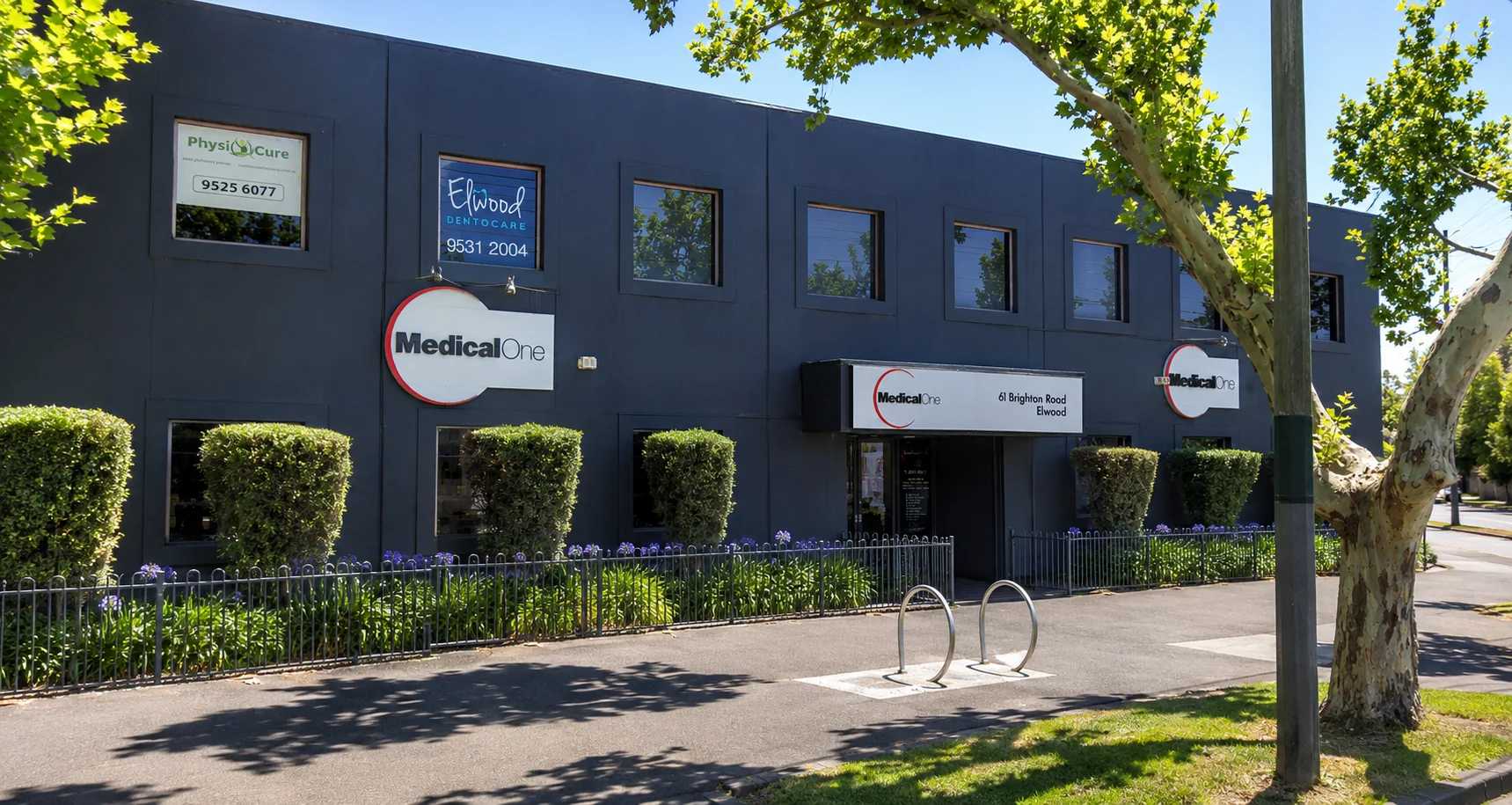
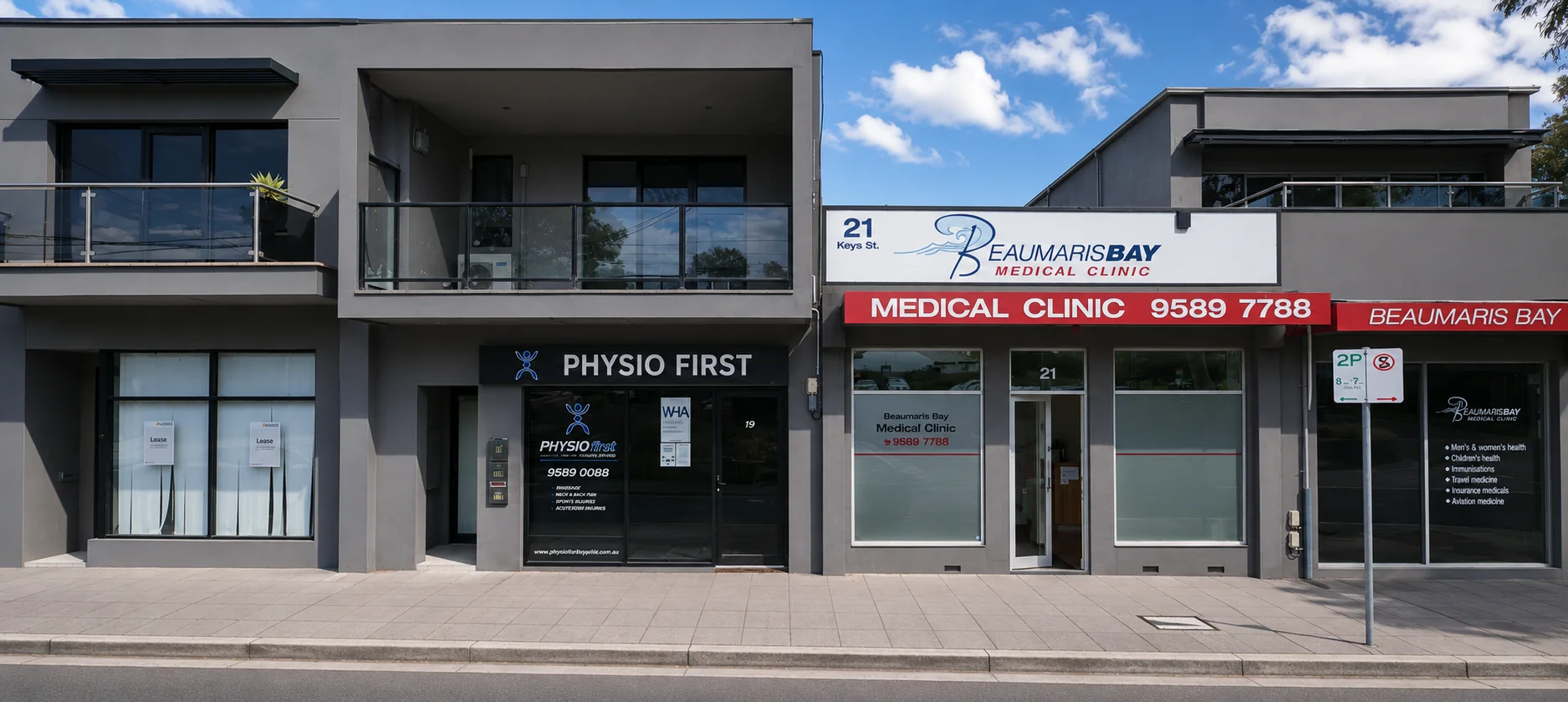
Two Convenient Clinics
Choose the clinic that is most convenient for you.
Not sure if it is right for you?