Home visit physiotherapy

Physiotherapy at home, with the same clinical standards.

Home visits may be considered when attending a clinic is difficult because of mobility, disability, frailty, recovery after surgery or another relevant barrier. Every request is screened for location, clinical suitability, safety and clinician availability before an appointment is confirmed.

Physiotherapy treatment at Physio Cure

Clinical assessment

Home care begins with the same professional reasoning used in clinic.

Consent at every step

You may ask questions, decline an option or stop the visit.

Clear fees before booking

Applicable service, travel and funding arrangements are confirmed first.

Private communication

We contact your care team only with authority or when legally required.

A clinical service—not only convenience

Could a home visit be suitable?

These circumstances may support a home-visit request. They do not guarantee availability, funding or that physiotherapy at home is the safest or most appropriate option.

Mobility or transport barriers

Leaving home or reaching a clinic is currently difficult or unsafe.

Recent surgery or reduced capacity

You have appropriate medical clearance but cannot yet attend safely.

Disability or frailty

Ongoing needs make clinic attendance challenging or burdensome.

Function in the home

The actual environment is relevant to safe movement or activity goals.

Transparent information before booking

Home-visit fees and funding pathways

Clinical suitability and funding approval are separate decisions. Physio Cure cannot guarantee that an insurer, plan manager or government program will pay for a requested visit, travel or report.

Support at Home

Support at Home or transitioned Home Care Package arrangements

Up to 60 minutes
$220
Up to 90 minutes
$350

These are Physio Cure service prices. The registered provider, current support plan, available budget, service agreement and authorisation determine whether the service can be funded.

Private home visit

A written quote is provided before confirmation and may depend on the address, visit length and clinical requirements.

NDIS

Supports, travel and related work must be plan-aligned, allowed under current rules and agreed in the service agreement.

WorkCover Victoria

WorkSafe states that provider travel requires prior written approval from the agent. Claim coverage must also be confirmed.

TAC

Treatment and travel criteria apply. Approval may be required, particularly after the first 90 days or following a treatment gap.

Confirm the written arrangement first.

Travel, reports, equipment, non-face-to-face work, after-hours services and cancellation charges are not automatically included or funded. They must be disclosed and agreed where applicable.

Professional care in a personal space

What happens during a home visit?

  1. Identity and consent

    The clinician identifies themselves, confirms who is present and obtains consent before assessment or treatment.

  2. Health and symptom review

    Relevant history, medicines, symptoms, recent changes and safety concerns are discussed.

  3. Functional assessment

    Movement and function are assessed, including relevant environmental factors when appropriate.

  4. Agreed treatment

    Education, exercise and optional hands-on care are selected according to clinical reasoning and your preferences.

  5. Practical plan

    You receive an appropriate home plan, safety advice and agreed next steps.

  6. Communication

    Your GP, provider or care team is contacted only when authorised, required and relevant.

Physiotherapist reviewing a home exercise plan with a patient
The visit may be modified, paused or stopped if continuing would be unsafe.

Selected according to assessment

What home physiotherapy may help with

No service or outcome can be guaranteed. Treatment remains within physiotherapy scope.

Mobility and transfers

Practising relevant movement such as standing, walking or transferring where safe.

Post-operative rehabilitation

Rehabilitation following appropriate medical clearance and discharge instructions.

Balance and falls-risk strategies

Assessment, education and exercise relevant to identified risks and goals.

Strength and endurance

Progressive activity designed around function, health status and available equipment.

Neurological rehabilitation

Goal-directed functional practice for suitable neurological presentations.

Equipment use and home exercise

Education about safe use within scope; formal equipment funding or structural modifications require the appropriate pathway.

Dignity, privacy and boundaries

Safe, respectful care in your home

  • Privacy, identity and consent are checked at every visit.
  • A support person or chaperone is welcome.
  • No photograph, audio or video recording occurs without explicit consent.
  • Hand hygiene, equipment cleaning and infection-control procedures apply.
  • The clinician may decline or stop work where the environment or task is unsafe.
  • Manual handling remains within assessed professional and physical limits.

Request before scheduling

Our home-visit booking pathway

  1. Enquire

    Send the address, reason for the visit and funding type.

  2. Screen

    We discuss symptoms, access, safety and clinical suitability.

  3. Confirm in writing

    Applicable fees, travel and funding arrangements are documented.

  4. Schedule

    A suitable clinician, date and arrival window are agreed.

  5. Home visit

    The clinician confirms consent, assesses and provides agreed care.

  6. Review

    Progress and the safest follow-up format are reconsidered.

Frequently asked questions

Answers before you request a visit

For an individual address or funding question, contact reception before booking.

Email reception
Which suburbs do you visit?

Home visits are limited to selected areas surrounding Elwood and Beaumaris. Availability depends on the exact address, travel time, clinician roster and clinical requirements. Reception must confirm the address.

What should I prepare before the visit?

Provide safe access, suitable parking information, a clear working area and relevant medical, referral and funding documents. Wear comfortable clothing and keep usual mobility equipment available where relevant.

Can a support person be present?

Yes. A family member, carer, advocate, interpreter or other support person may attend if you want them involved. Their role and any information sharing will be discussed with you.

What should I do with pets?

Tell reception about pets before the visit. Please secure any animal that may distract from assessment, enter the treatment area or create a safety concern.

How do Support at Home fees work?

Physio Cure’s listed service prices are $220 for up to 60 minutes and $350 for up to 90 minutes. Funding depends on the current support plan, registered provider arrangement, available budget, authorisation and service agreement. These prices do not by themselves guarantee funding.

Can NDIS funding pay for a home visit and travel?

It may when the physiotherapy support and provider travel are disability-related, plan-aligned, permitted under current NDIS rules and agreed in the service agreement. Plan management and provider registration may affect the available pathway.

Can WorkCover or TAC fund a home visit?

Approval and clinical criteria apply. WorkSafe provider travel requires prior written agent approval. TAC treatment and travel requirements depend on the claim, timing and applicable policy. Obtain confirmation before relying on funded care.

Can I use a Medicare care-plan referral?

An eligible Medicare item 10960 referral may provide the current Medicare benefit of $63.40, but the home-visit fee remains payable and a substantial gap may remain. Medicare determines eligibility and payment.

What is the cancellation policy?

Physio Cure generally requires at least 48 hours’ notice. A $50 late cancellation or rescheduling fee may apply under the clinic policy or a different amount may apply under an agreed funding arrangement. Ask whether a clinically appropriate telehealth conversion is available.

Can I attend the clinic instead?

Yes, when clinic attendance is safe and practical. Clinic appointments generally allow easier access to treatment equipment and avoid home-visit travel requirements.

Bayside locations

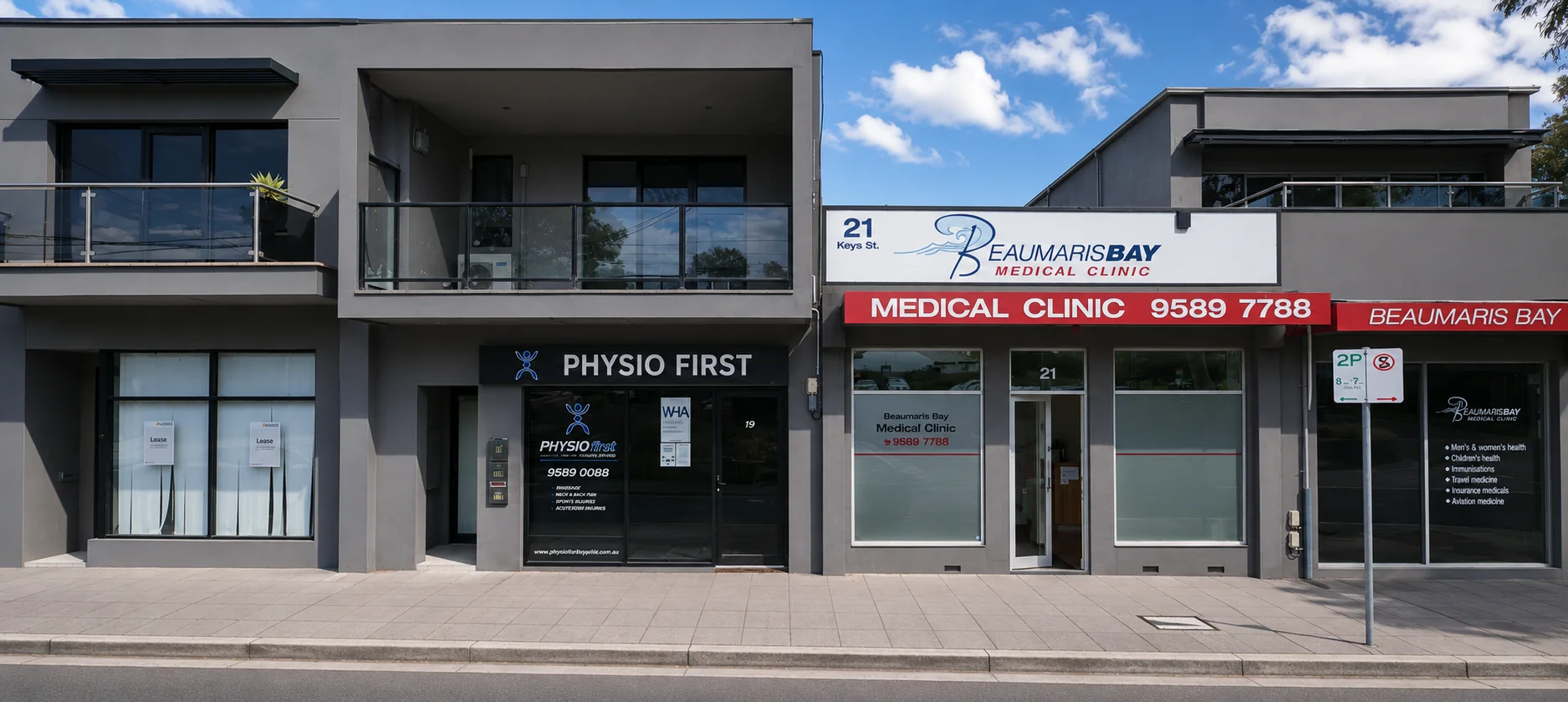
Two Convenient Clinics

Choose the clinic that is most convenient for you.

Tell us what support you need

Request a clinically screened home visit.

Include the address, reason for the visit, mobility needs and funding pathway so reception can respond efficiently.