
Jaw pain is complex. Your assessment should be clear.
Jaw pain can involve the jaw joints, chewing muscles, teeth, nerves or other medical factors. We assess what physiotherapy may safely help, explain the findings in plain language and refer you when another clinician is better placed to investigate your symptoms.

Screen beyond the jaw
We consider dental, medical and neurological features—not only muscles and joints.
Explain before contact
You are told what is proposed, why it may be useful and what alternatives exist.
Build active strategies
Education and appropriately dosed exercise are central to the plan.
Refer when appropriate
We collaborate with your dentist, GP or another practitioner when needed.
Make a clearer first decision
Could physiotherapy be relevant?
A physiotherapy assessment may be reasonable when jaw symptoms affect comfortable movement or everyday function. These signs do not, by themselves, identify a diagnosis.
Pain with jaw use
Discomfort with chewing, speaking or yawning that is limiting normal activities.
Movement feels restricted
Reduced comfortable opening, altered movement or intermittent catching or locking.
Muscle fatigue or tenderness
Symptoms around the temples, cheeks or jaw, including symptoms associated with clenching.
Jaw and neck symptoms together
Jaw symptoms occurring with relevant neck discomfort or headache features.
Safety first
Some jaw symptoms need urgent care
Call Triple Zero (000)
Call 000 for jaw discomfort with chest pain, pressure or tightness, breathlessness, sweating, nausea, dizziness or pain spreading to the arm, back or neck. Also call 000 for difficulty breathing or swallowing, or sudden facial droop, one-sided weakness or numbness, speech or vision changes, or a sudden severe headache.
Get urgent medical or dental care
Go to an emergency department after a strong blow to the jaw or if it is stuck open or appears dislocated. Seek same-day medical or dental advice for a jaw that locks shut, facial swelling, fever or difficulty eating or drinking. New temple or scalp tenderness with pain on chewing, especially with vision changes, also needs urgent medical assessment. Seek medical advice for electric-shock-like facial pain.
Do not try to force a jaw that appears dislocated back into place. Read more: heart attack warning signs, stroke warning signs and jaw dislocation.
Understanding the terminology
TMJ is the joint. TMD describes a group of conditions.
Clear language helps prevent a joint sound or tender muscle from being treated as a complete diagnosis.
TMJ
The anatomical joint
The temporomandibular joint connects the lower jaw to the skull on each side of the face.
TMD
A group of disorders
Temporomandibular disorders can involve the jaw joints, chewing muscles and related structures.
Context
Not one simple cause
Symptoms can reflect multiple interacting biological, behavioural and social factors. A single “root cause” cannot always be identified.
The right clinician
Who should assess your symptoms?
Jaw-area pain can sometimes arise from teeth, ears, sinuses, nerves, inflammatory conditions or other medical problems. Referral is a normal part of safe care.
Physiotherapist
For movement-related pain, muscle tenderness, reduced function and relevant neck factors.
Dentist or oral-health clinician
For tooth pain, bite concerns, dental infection, oral disease, significant wear or appliance advice.
GP, specialist or emergency care
For systemic, neurological, traumatic or unexplained symptoms, or any warning signs above.
Your first appointment
A measured assessment—not a “root cause” guarantee
Your physiotherapist will build a working clinical impression, explain any uncertainty and agree on the next step with you. The assessment may include:
- Your symptoms, health history, dental history and goals
- Chewing, speaking, yawning and other aggravating activities
- Comfortable jaw opening and movement observation
- An external examination of relevant jaw and facial structures
- A neck examination when clinically relevant
- Screening for dental, medical or neurological referral
You may pause or stop any part of the assessment. You can also ask for an explanation, an alternative approach, a support person or a chaperone.
Your options
Treatment options selected for you
Treatment should match your presentation, preferences and goals. Hands-on techniques may be included, but active strategies remain central.
Education and reassurance
Understanding symptoms, aggravating factors and safe movement can reduce uncertainty and support recovery.
Tailored jaw exercise
Graded movement, coordination or strengthening may be prescribed according to your presentation.
Therapist-assisted mobilisation
Gentle, agreed manual techniques may be considered to support movement or short-term symptom relief.
Muscle-focused techniques
External manual or trigger-point techniques may be offered as one optional part of a broader plan.
Relevant neck and postural exercise
These are included only when the assessment indicates they are meaningfully related to your symptoms.
Self-management strategies
Pacing, sleep or clenching awareness and practical habit changes may help reduce repeated aggravation.
What the evidence means
Active care is central; hands-on care is optional.
A 2023 clinical practice guideline for adults with chronic TMD pain lasting three months or longer supports education, supervised jaw exercise, therapist-assisted mobilisation, manual trigger-point therapy and selected behavioural approaches. Recommendations for chronic pain do not automatically apply to every acute or painless jaw presentation. Individual outcomes and recovery times vary. See also NIDCR guidance on TMD.
Ultrasound and shockwave therapy are not presented by Physio Cure as routine treatments for TMD. Any adjunctive technique must have a clear clinical rationale, be within the practitioner’s scope and follow an informed-consent discussion.
What care can look like
A six-step, shared decision pathway
-
01
Screen
Check for features needing medical or dental care.
-
02
Assess
Understand symptoms, function, history and goals.
-
03
Explain
Discuss the working impression and any uncertainty.
-
04
Agree
Choose reasonable options, alternatives and boundaries.
-
05
Practise
Build a manageable active plan with optional adjuncts.
-
06
Review
Measure response and adapt, discharge or refer.
While arranging an assessment
Comfortable, low-risk first steps
If you do not have urgent warning signs, these general measures may be reasonable while you seek individual advice.
Reduce avoidable overload temporarily
Modify very chewy foods, gum chewing and repeated wide opening if they clearly aggravate symptoms.
Keep movement comfortable
Avoid repeatedly testing or forcing painful range. Gentle movement should remain tolerable.
Notice clenching without blame
Use simple reminders to let the teeth separate and jaw muscles relax when not eating.
Track useful patterns
Note timing, triggers, locking, headache, dental symptoms and what affects function.
This information is general and is not a diagnosis or personalised treatment plan. Do not attempt to force or manipulate a locked or apparently dislocated jaw.
Frequently asked questions
Clear answers before you book
Still unsure who to see? Email reception@physiocure.com.au or use our free discussion form.
Speak with a physioDo I need a dentist or a physiotherapist?
It depends on the symptoms. Movement-related pain, muscle tenderness and reduced jaw function may be appropriate for physiotherapy assessment. Tooth pain, infection, oral disease, bite or appliance concerns require a dental clinician. We refer when another clinician is better placed to help.
Is jaw clicking a sign of damage?
Not necessarily. Painless clicking can occur without important loss of function and may not need treatment. Seek advice if it becomes painful, the jaw locks, function changes or you are concerned.
Will the assessment involve treatment inside my mouth?
Not automatically. Assessment begins externally. Any proposed intra-oral examination or treatment must have a clinical reason and requires a clear explanation and your explicit consent. You can decline or stop at any time.
Are ultrasound or shockwave routine jaw treatments?
No. Physio Cure does not present ultrasound or shockwave as routine TMD treatments. Your plan should prioritise options that fit your assessment, goals and the applicable evidence.
How quickly will jaw pain improve?
Recovery varies with the type and duration of symptoms, contributing health factors and response to management. A clinician should not promise a fixed result. Progress is reviewed using agreed functional goals and the plan is changed or referral arranged when appropriate.
Do I need a referral?
Private patients usually do not need a referral to see a physiotherapist. A referral and specific documentation may be needed for some funded pathways. Contact reception if you are unsure.
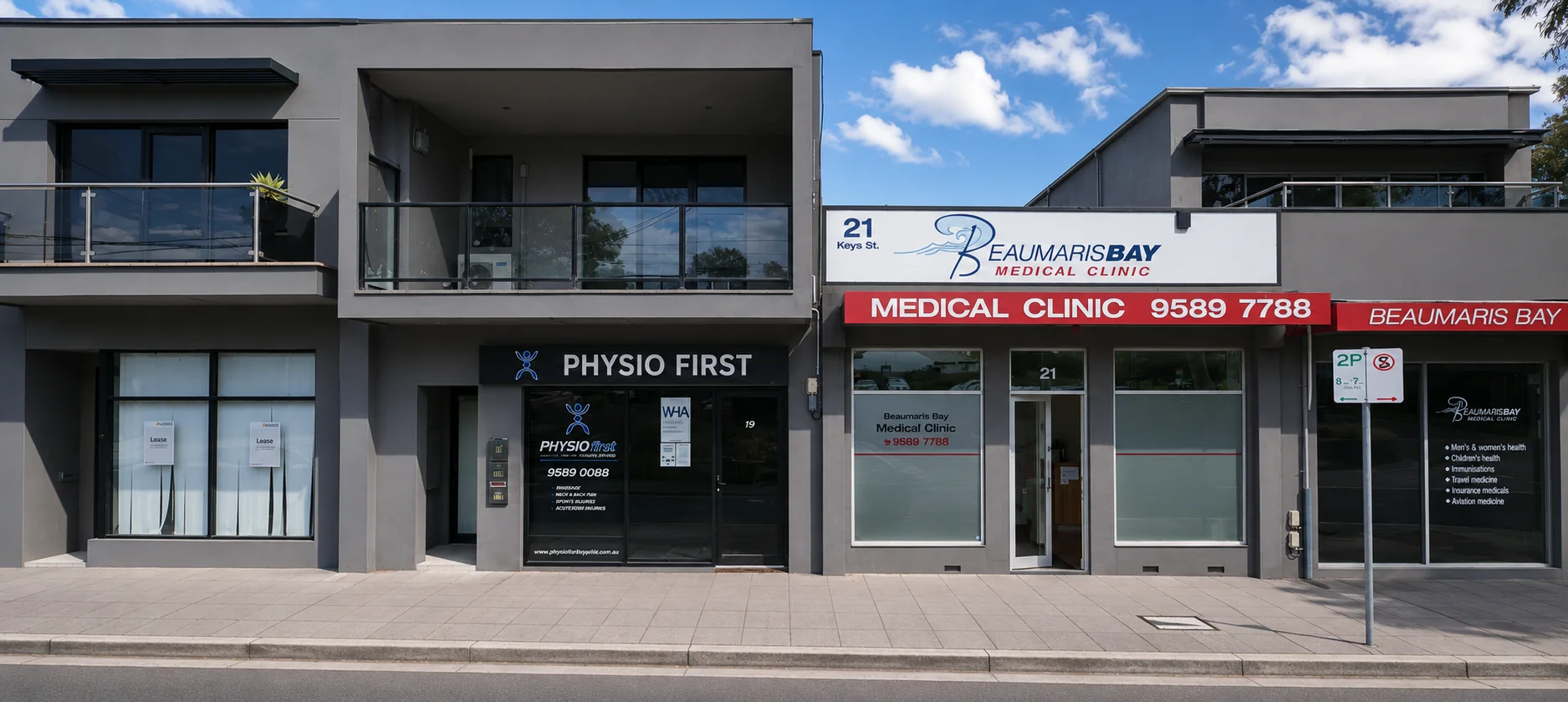
Two Convenient Clinics
Choose the clinic that is most convenient for you.

A sensible next step
Not sure whether physiotherapy is right for your jaw symptoms?
Tell us what is happening. We can help you decide whether to book with us or start with a dentist, GP or urgent service.