
Helping young people move, recover and build confidence.
Age-appropriate, assessment-led physiotherapy for babies, children and adolescents with movement, development, musculoskeletal, sports and rehabilitation needs.

Age-appropriate assessment
Parent or guardian involvement
The young person's voice matters
Referral when needed
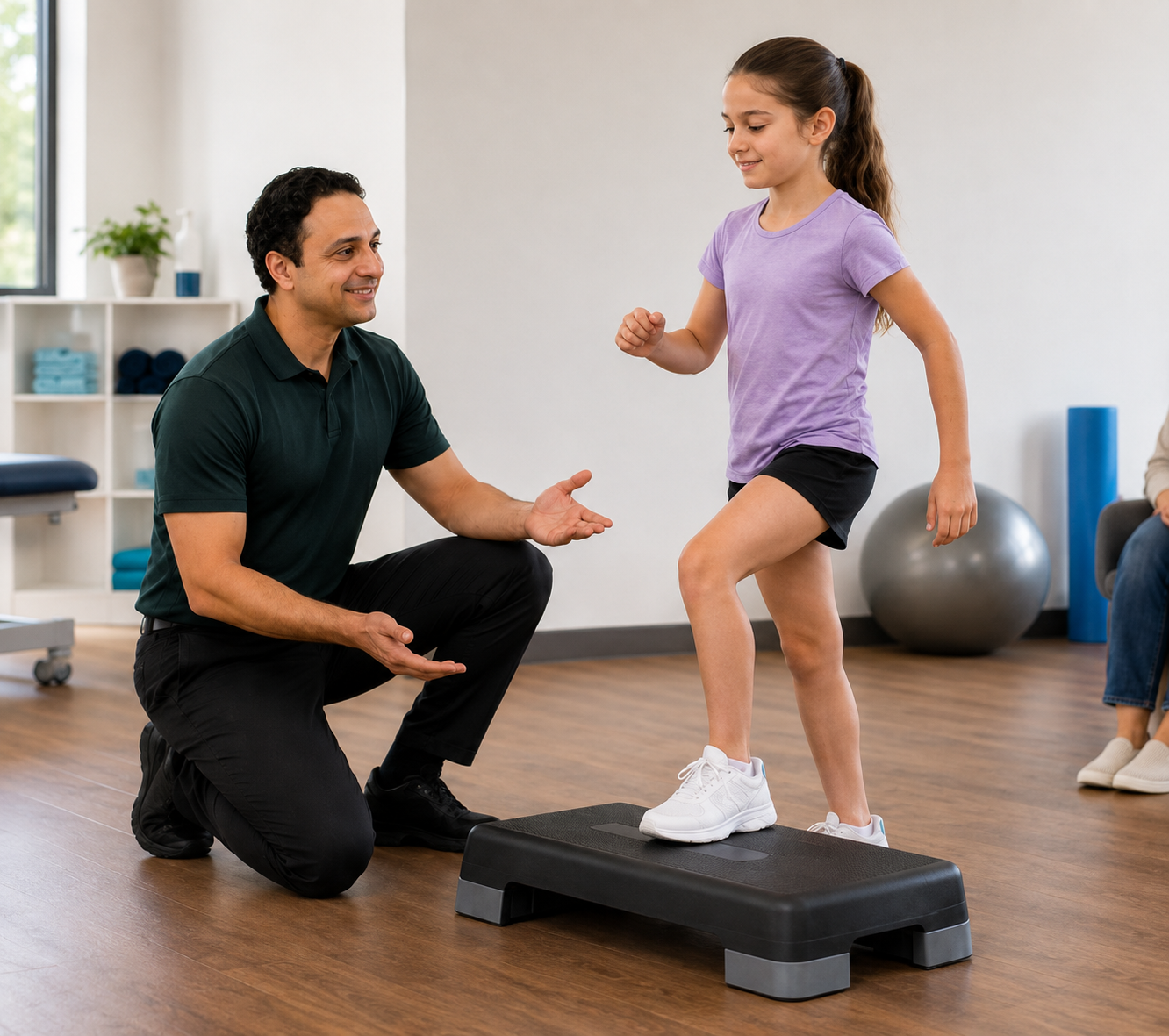
Care that considers the whole young person
Physiotherapy that respects growth and development
Babies, children and adolescents are continually growing and developing. Assessment looks beyond one symptom to consider movement, strength, mobility, coordination, developmental stage, training loads, school demands, confidence and the activities that matter to the young person and family.
We use age-appropriate assessment, clear explanations and an individual plan. If symptoms require medical review, imaging or another health professional, we explain why and recommend an appropriate pathway.
Make an informed decision
When a physiotherapy assessment may help
An assessment may be appropriate when symptoms, injury or movement concerns affect daily activity, school, exercise or sport.
Sports injury
A new sprain, strain, impact injury or pain that developed during training or competition.
Persistent or recurring pain
Symptoms that continue, return or begin to limit normal activity, school or sport.
Growth-related presentation
Load-sensitive pain that may be associated with growth, activity or traction apophysitis.
Rehabilitation after clearance
Graded rehabilitation after fracture, immobilisation or surgery, consistent with medical guidance.
Balance or coordination concern
Reduced movement confidence, balance, coordination or difficulty participating in age-appropriate activities.
Hypermobility-related symptoms
Pain, fatigue or reduced confidence associated with joint hypermobility, after suitable assessment.
Growth, development and participation
Conditions physiotherapy may support
Physiotherapy does not cure an underlying genetic, neurological or neurodevelopmental diagnosis. Where clinically appropriate, it may support movement, function, comfort, physical activity, independence and participation as part of the child's broader healthcare or multidisciplinary plan.
Hypotonia (reduced muscle tone)
Assessment may address posture, strength, movement strategies, balance and functional participation. Medical assessment may be required to investigate the cause.
Torticollis & positional plagiocephaly
For suitable infants, physiotherapy may include parent education, positioning, supervised play, movement and neck exercises, monitoring and referral when needed.
Clubfoot (congenital talipes equinovarus)
Physiotherapy may support movement and development alongside specialist orthopaedic management. It does not replace Ponseti casting, bracing or orthopaedic follow-up.
Autism
Where relevant to the child's goals, physiotherapy may support gross motor skills, balance, coordination, strength, physical activity and participation. It does not treat autism itself.
Down syndrome
Support may focus on gross motor development, postural control, strength, balance, mobility and participation, with appropriate medical precautions and team communication.
Duchenne muscular dystrophy & other neuromuscular conditions
Care should follow specialist neuromuscular guidance and may support mobility, positioning, range, comfort, function and equipment planning while avoiding inappropriate fatigue or overload.
Developmental delay or delayed motor milestones
Assessment may consider head control, rolling, sitting, crawling, standing, walking, play and functional mobility in the context of the child's overall development.
Developmental coordination disorder
Physiotherapy may help with strength, balance, coordination, motor skills and participation, usually with family, school and multidisciplinary input where appropriate.
Cerebral palsy
Goal-directed physiotherapy may support mobility, strength, balance, movement skills and participation within an appropriate multidisciplinary and medical care plan.
Gait concerns or persistent toe walking
Assessment considers movement, strength, flexibility, development and possible neurological or orthopaedic contributors, with referral when required.
Scoliosis & growth-related spinal concerns
Physiotherapy may support function, strength, comfort and activity alongside medical monitoring. Progressive or suspected structural changes require suitable medical review.
Juvenile idiopathic arthritis
Where guided by the treating medical team, physiotherapy may support joint movement, strength, physical activity, pacing and participation during stable and changing phases.
Clinical information sources
- Royal Children's Hospital Melbourne: Congenital torticollis
- Royal Children's Hospital Melbourne: Positional plagiocephaly
- Royal Children's Hospital Melbourne: Clubfoot and Ponseti care
- Healthdirect Australia: Developmental coordination disorder
- Cerebral Palsy Alliance: Guidelines to improve function
- DMD Care UK: Clinical recommendations for Duchenne muscular dystrophy
Common areas and presentations
Presentations we commonly assess
These categories are a starting point only. Assessment considers the young person's history, development, activity and clinical findings.

Ankle & foot
Sprains, heel pain and selected load-related foot or ankle presentations.

Knee & traction apophysitis
Knee pain and growth-related presentations such as Osgood–Schlatter disease, where clinically appropriate.

Hip & groin
Muscle, tendon, joint-related and load-sensitive presentations requiring careful assessment.

Shoulder & upper limb
Shoulder, elbow, wrist and hand symptoms affecting activity, school or sport.

Back & neck
Back or neck pain, stiffness and movement-related symptoms assessed in context.

Movement & balance
Balance, coordination, movement confidence and return to age-appropriate activity.
A clear and supportive process
What happens at the first appointment?
Listen
We listen to the young person and their parent or guardian about goals, concerns and the story so far.
Assess
We complete an age-appropriate physical assessment relevant to symptoms, development and activity.
Explain
We explain findings in clear language, answer questions and discuss suitable options.
Plan
Together, we agree on next steps tailored to school, sport, family routines and recovery priorities.
Selected for the individual
Treatment may include
Education & reassurance
Clear, age-appropriate information about symptoms, activity and recovery.
Activity & load planning
Practical guidance for school, training, sport, rest and gradual progression.
Progressive exercise
Movement, strength, mobility and capacity exercises suited to age and stage.
Sport-specific rehabilitation
Progressive tasks that reflect the young person's sport and participation goals.
Balance & coordination
Age-appropriate activities to develop control, confidence and functional movement.
Selected adjuncts
Hands-on treatment or taping may be considered when appropriate, explained and consented to.
No single treatment suits every child or adolescent. Care is individualised and may change as symptoms, function and goals change.
A safer progression
Return to school, activity and sport
Progression considers symptoms, function, strength, movement quality, confidence, workload and any medical or surgical guidance.
Return is criteria-based and individual. A specific date or prevention of future injury cannot be guaranteed.
Safety first
Seek urgent medical assessment
These are not routine physiotherapy bookings.
- Suspected fracture or dislocation
- Severe swelling or visible deformity
- Inability to bear weight or use the limb after injury
- New numbness, weakness or neurological symptoms
- Head or neck injury, confusion, repeated vomiting or loss of consciousness
- Severe or rapidly worsening pain
- Fever or an acutely unwell child
This is not a complete emergency list. Call 000 for a medical emergency.
Common questions
Children and adolescent physiotherapy FAQs
Do we need a referral?
Private patients generally do not need a GP referral. A referral or supporting documentation may be required for some Medicare, NDIS, insurance, post-operative or complex medical pathways.
Does a parent or guardian need to attend?
A parent or legal guardian should usually attend the initial appointment for a child or younger adolescent. Ongoing involvement depends on age, maturity, consent capacity, clinical needs and applicable requirements. Please contact us before booking if you are unsure.
What should we bring?
Bring relevant referrals, imaging or reports, a medication list, suitable clothing and any footwear, brace or sporting equipment related to the concern.
What should my child wear?
Comfortable clothing that allows the relevant area and movement to be assessed is helpful. Modesty and privacy are respected, and the assessment can be modified or stopped at any time.
Can you communicate with our GP, school or sports club?
With appropriate consent, relevant information may be shared with treating professionals, school staff or coaches when this supports coordinated care and participation.
Is physiotherapy covered by private health, Medicare or the NDIS?
Eligibility, rebates and funding rules vary. Please check directly with your fund or plan manager and contact our reception team before booking if supporting documentation is required. We cannot guarantee a rebate or funding approval.
How long will recovery take?
There is no universal timeline. Recovery depends on the presentation, healing, development, symptoms, activity demands, adherence and medical guidance. Progress is reviewed over time and a particular outcome or return date cannot be guaranteed.
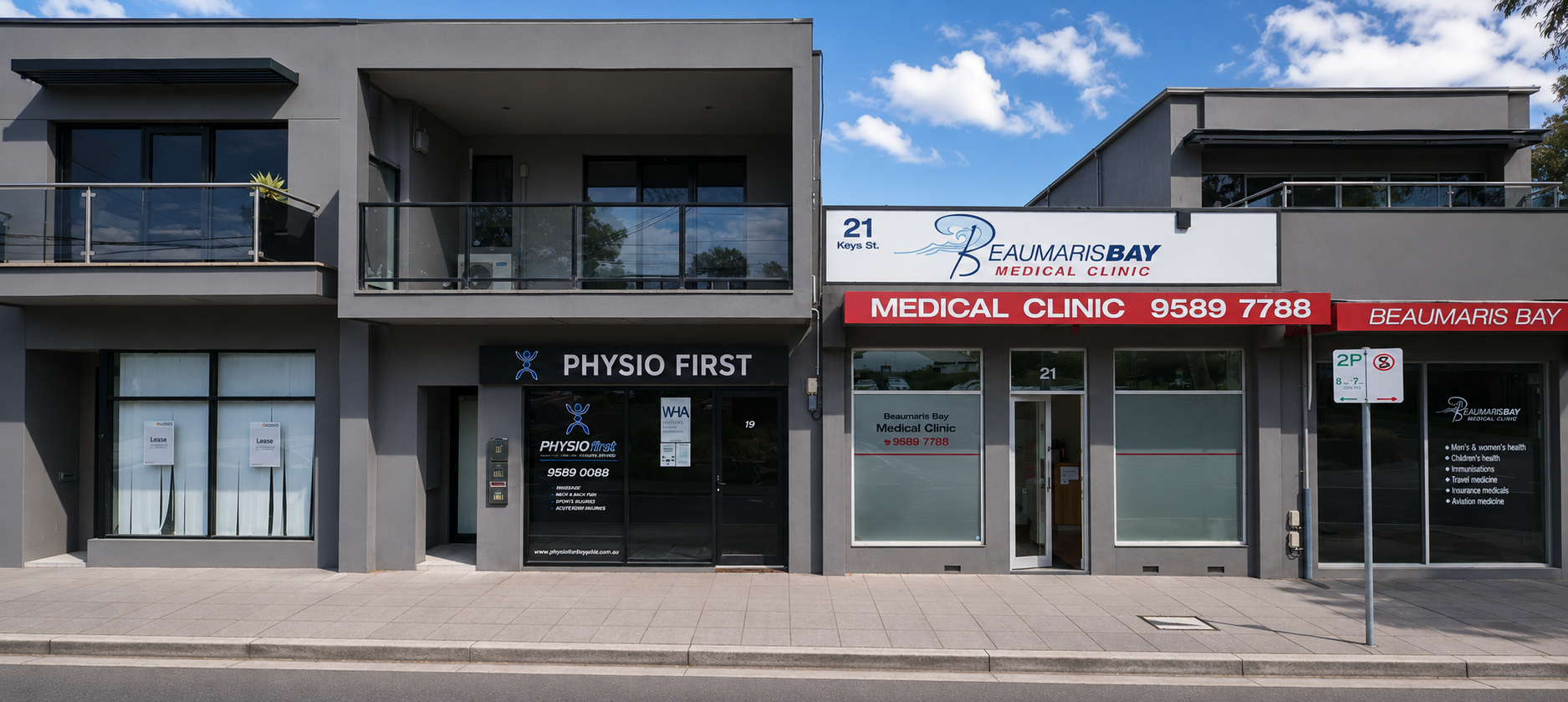
Two Convenient Clinics
Choose the clinic that is most convenient for you.

Not sure whether physiotherapy is appropriate?
We can help you choose the next step.
For booking questions, call reception or request a brief conversation with a physiotherapist.