
Physiotherapy built around function, choice and your goals.
Therapeutic supports may help build functional ability, skills and independence when the service is disability-related, consistent with your plan and an NDIS support. We listen first and agree on measurable goals with you.

Your preferences and decisions guide the service.
Therapy should connect to agreed functional goals.
Progress is reviewed using relevant functional measures.
Supports, fees and responsibilities are documented.
Start with the payment pathway
How is your plan managed?
Your plan-management type affects provider choice, invoicing and how claims are processed.
Self-managed
You are responsible for paying providers, claiming from your NDIS funding and keeping appropriate records.
Plan-managed
A registered plan manager pays providers and keeps payment records on your behalf.
NDIA-managed
The NDIA pays registered providers. Contact reception to confirm whether the clinic and chosen clinician can accept this pathway.
Mixed management
Different parts of a plan may use different management methods. Tell us which method applies to physiotherapy.
Funding can only be used for supports that meet NDIS requirements, relate to your disability and are in line with your plan. Physio Cure cannot decide what the NDIA will fund or guarantee payment.
Before your first visit
Information that helps us plan with you
- Your NDIS participant number.
- Relevant plan dates, goals and support category information.
- Your plan-management type and plan-manager details, if applicable.
- Your support coordinator or chosen contact, if you want them involved.
- Relevant reports, assistive technology and current therapy information.
- Your communication, sensory, cultural and access preferences.
Therapeutic supports
What NDIS physiotherapy may support
The service must be relevant to your disability, goals and plan. Not every assessment, report, item or therapy is automatically claimable.
Mobility and transfers
Strategies and practice for moving safely and participating in daily activities.
Strength and endurance
Individual exercise to build capacity for agreed functional goals.
Balance and falls risk
Assessment and strategies relevant to function and participation.
Assistive technology input
Assessment, trial recommendations or training when within physiotherapy scope and funded.
Home programs
Practical activity and self-management suited to your preferences and environment.
Participation
Work towards meaningful daily, community or recreational activities identified with you.
A physiotherapist may consider a service clinically reasonable, while the NDIA or plan manager may still decide that it cannot be paid from a particular plan or support category.
Collaborative pathway
A transparent process around your goals
- 01Listen
Understand priorities, preferences and context.
- 02Assess
Evaluate function relevant to agreed goals.
- 03Agree
Set measurable goals and reasonable timeframes.
- 04Document
Confirm supports and terms in an agreement.
- 05Deliver
Provide and review appropriate supports.
- 06Report
Report only when agreed, required and funded.
Service agreement
Know the service, price and responsibilities
Before ongoing supports begin, the service agreement should explain the agreed services and how they will operate.
- Goals and the physiotherapy supports being requested.
- Fees, appointment length, invoicing and applicable pricing rules.
- Cancellation terms, including how short-notice cancellations are handled.
- Travel, reports, non-face-to-face work or equipment only when agreed and applicable.
- How either party can change or end the arrangement.
Current NDIS pricing arrangements and price limits apply where required. The service agreement and current official rules—not this webpage—determine the applicable amount.
Frequently asked questions
Before you book
Send your plan-management type and the support you are considering so reception can check the clinic pathway.
Email receptionCan my NDIS plan fund physiotherapy?
It may when physiotherapy is an NDIS support, relates to your disability and is in line with your plan. The NDIA, your plan arrangements and applicable rules determine whether funding can be used.
Do I need a GP referral?
A GP referral is not generally required simply to request private physiotherapy. However, relevant medical information may be needed for safe care, and your plan or other funding arrangement may contain requirements.
Can you accept an NDIA-managed plan?
NDIA-managed participants must use registered providers. Contact reception before booking so the clinic can confirm its current registration and clinician availability for this pathway.
What if my plan is self-managed or plan-managed?
Payment and claiming differ. Self-managed participants generally pay providers and manage claims/records. For plan-managed funding, the plan manager usually receives and processes compliant invoices. Confirm arrangements before treatment.
Will you write an NDIS report?
Reports are prepared only when clinically appropriate, requested or agreed, and when the scope, fee, consent and intended recipient are clear. A report cannot guarantee an access or funding decision.
Can I bring a support person or request adjustments?
Yes. Tell us about communication, mobility, sensory, cultural or other access requirements. You may bring a support person, subject to your preferences and applicable decision-making arrangements.
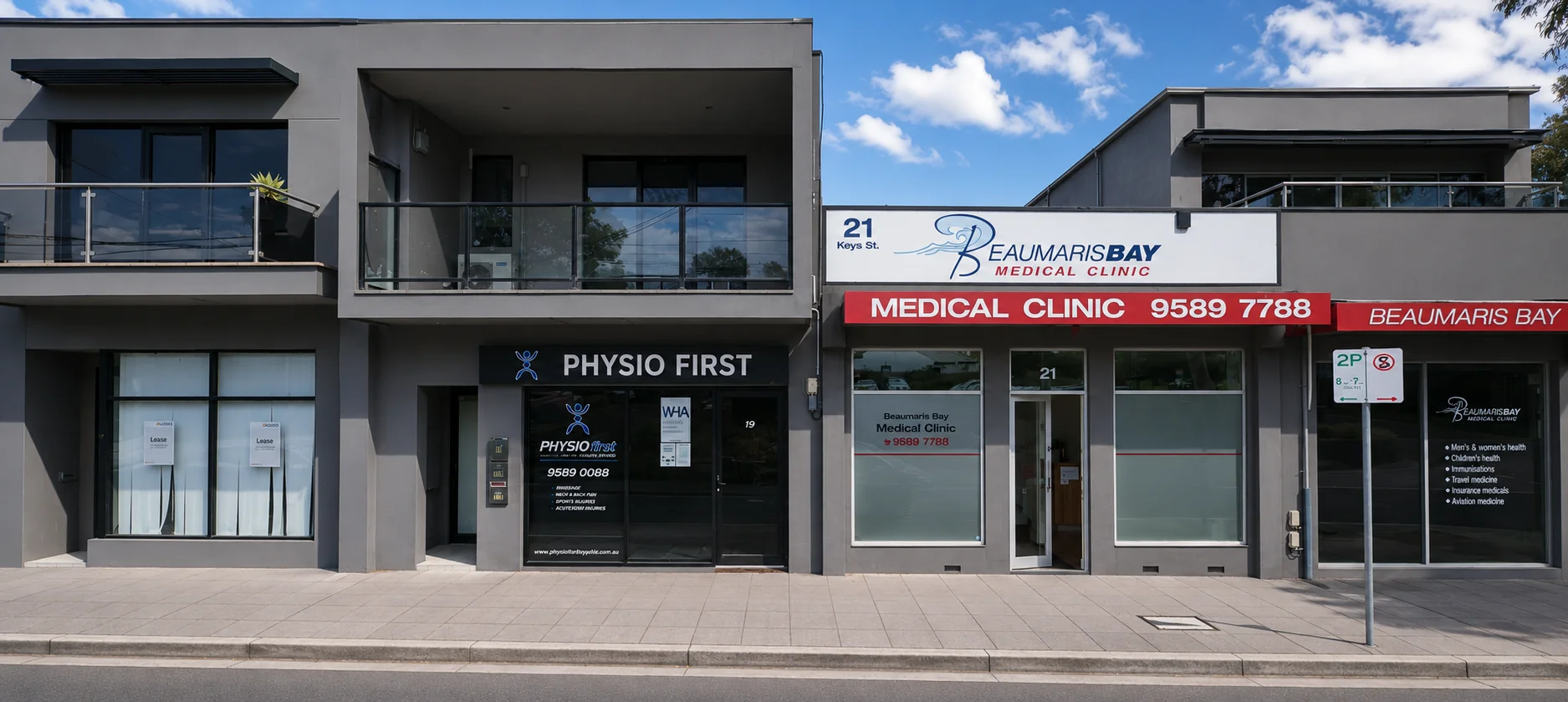
Two Convenient Clinics
Choose the clinic that is most convenient for you.

Ready to discuss the next step?
Tell us your goals and plan-management type.
We will explain the clinic pathway and information needed before an appointment is confirmed.
Official information and review
Content reviewed 20 August 2026. This is general clinic information, not NDIS access, plan, funding or legal advice. Current NDIS rules and decisions prevail.