
Manual therapy, used thoughtfully
Hands-on techniques may help short-term symptoms or movement for some people. At Physio Cure, they are selected after assessment and usually combined with education and active rehabilitation.
What is manual therapy?
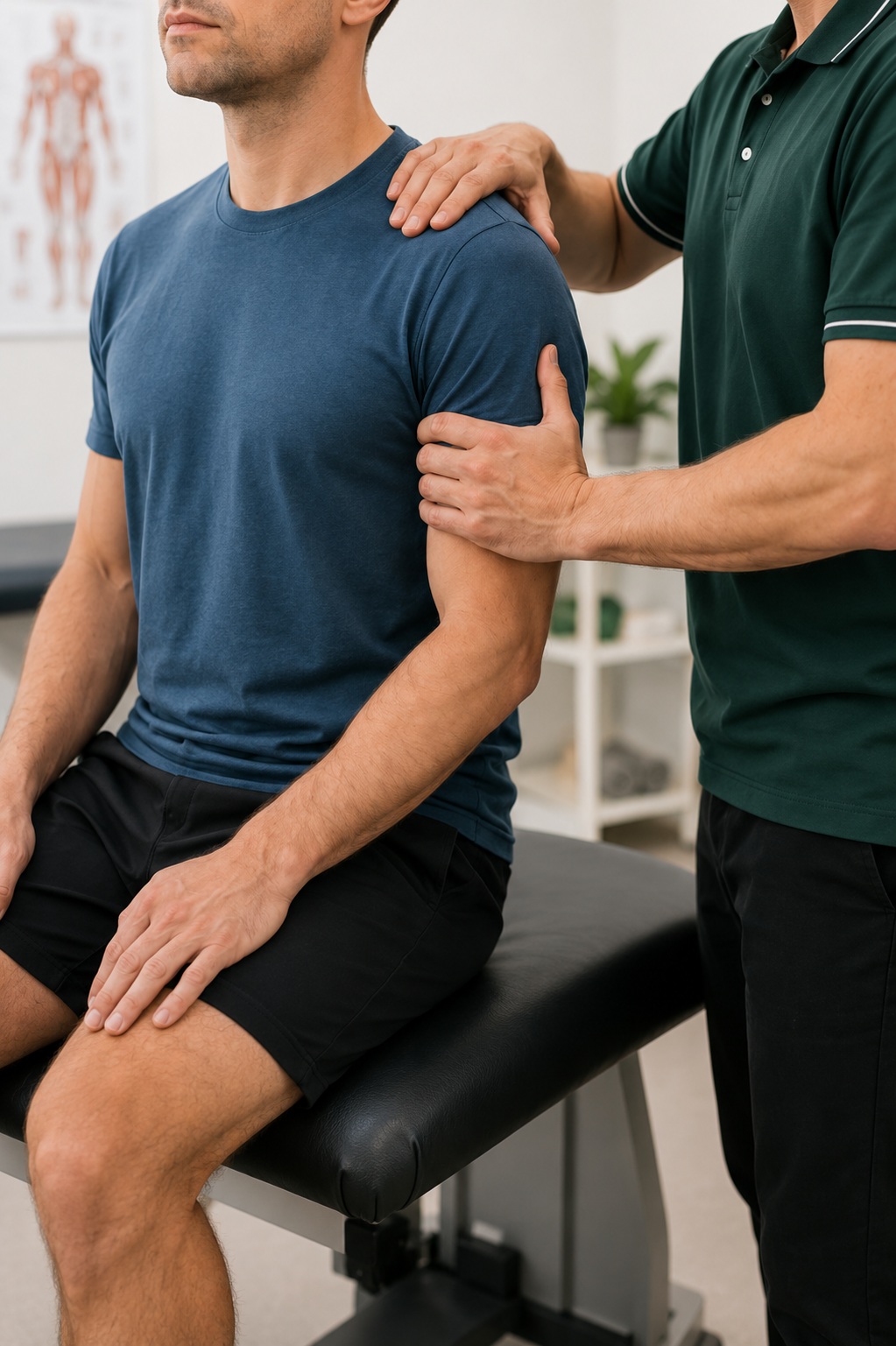
Manual therapy describes skilled, hands-on techniques used by a physiotherapist as part of assessment or treatment. The aim may be to explore movement, provide short-term symptom relief, improve confidence with movement or help you participate in exercise and daily activities.
Responses vary. Your physiotherapist should review whether the technique is helping and modify or stop it when appropriate.
Manual therapy is not a cure or passive quick fix. It is usually combined with education and active rehabilitation when appropriate.
Techniques we may use
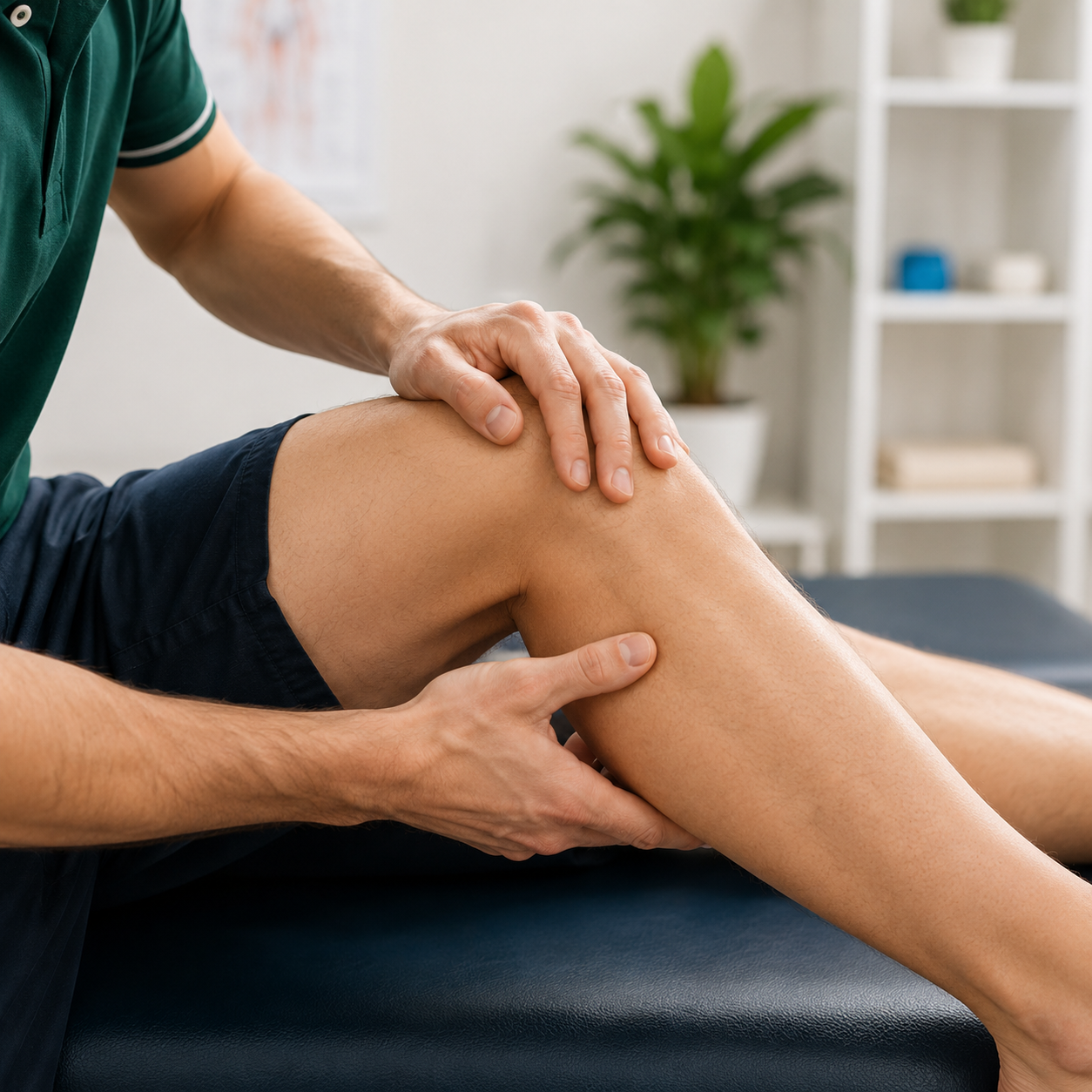
The technique chosen depends on your presentation, preferences, safety screening and informed consent.

Joint mobilisation
Graded, controlled joint movements that may be used to explore or assist comfortable movement.

Soft-tissue techniques
Hands-on techniques directed to muscles and surrounding tissues, used when appropriate to your plan.

Movement assistance
Guided movement intended to support comfort, mobility or participation in active rehabilitation.
A transparent pathway
Assessment
We discuss your symptoms, goals, health history and preferences.
Examination
We assess relevant movement and identify factors that may contribute to your presentation.
Discuss options
We explain findings, uncertainties and reasonable options in plain language.
Consent
You decide whether to proceed. Consent is specific and can be withdrawn at any time.
Active plan
We review your response and connect hands-on treatment to rehabilitation where appropriate.
Benefits, limitations and alternatives
Possible benefits
- Short-term symptom relief for some people
- Temporary improvement in movement
- Support for exercise participation
Important limitations
- Results vary between people
- It may not be needed
- It is not a cure or guaranteed solution
- Passive care alone may not build capacity
Alternatives
- Education and self-management
- Exercise and graded activity
- Load or task modification
- Medical review or other referral when indicated
Hands-on care and active recovery
If manual therapy is chosen, we use the least forceful reasonable approach and monitor your comfort and response.
Your plan may include movement, progressive strength, pacing, education and return-to-activity strategies tailored to your goals.
Book an assessmentManual therapy FAQs
Does manual therapy hurt?
It should not require you to tolerate unwanted pain. Some techniques can feel firm or create temporary soreness. Tell your physiotherapist how you feel so the approach can be changed or stopped.
Will I need joint manipulation?
No. Manipulation is not automatically required. Other manual techniques, exercise, education or no hands-on treatment may be more appropriate. Any manipulation requires separate assessment and informed consent.
How many sessions will I need?
This cannot be predicted accurately without assessment. It depends on your presentation, goals and response. Your plan should be reviewed rather than based on a guaranteed number.
Can I choose not to have hands-on treatment?
Yes. You can decline any technique or withdraw consent at any time without affecting your right to discuss other reasonable options.
Is manual therapy safe?
All interventions have limits and potential risks. We screen relevant health factors, select techniques carefully and explain material risks and alternatives before you decide.
What should I wear?
Wear comfortable clothing that allows the relevant area to be assessed. Gowning, draping and a support person or chaperone can be discussed where appropriate.
Ready to discuss your options?
Start with an individual physiotherapy assessment.