
Move with support through pregnancy and after birth.
Individual advice for movement, muscle and joint concerns, with a gradual return to activity after birth. Our women’s-health care is limited to external assessment and treatment.
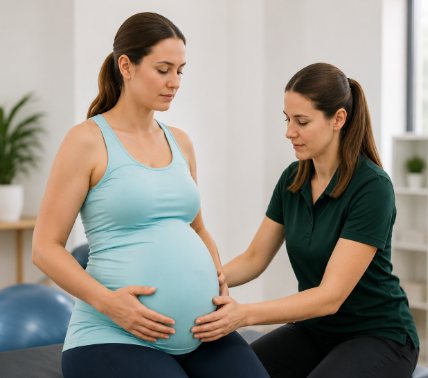
External assessment only
Individually guided exercise
Your consent and comfort
Referral when needed
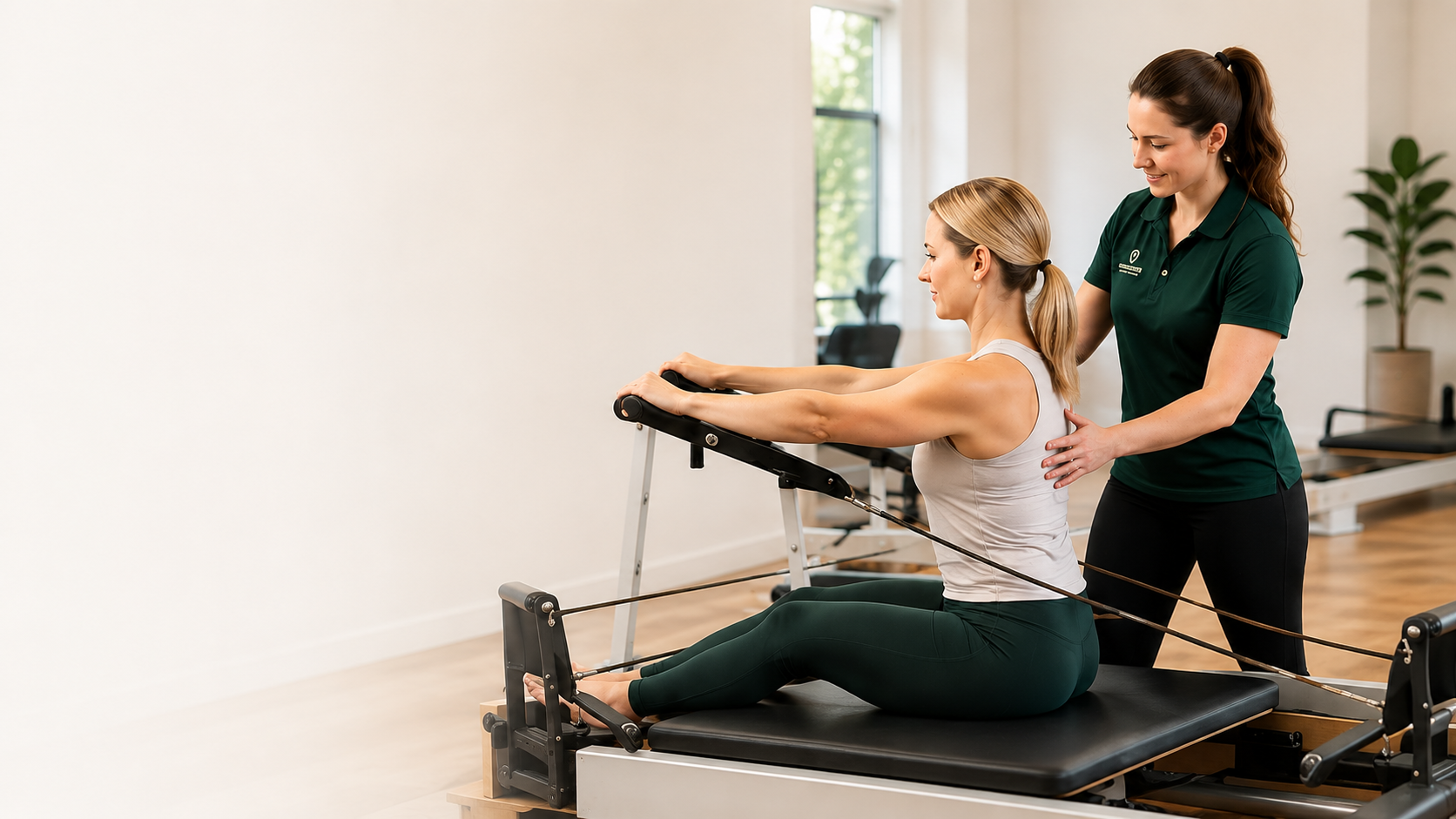
Exercise during pregnancy
Activity adapted to your changing needs.
Many people can stay active during pregnancy with appropriate adjustments. Tell your physiotherapist about your pregnancy, symptoms and any complications. Your maternity team may recommend medical advice or clearance before exercise.
At Physio Cure, Clinical Pilates is individually assessed, with exercises selected for your current ability and progressed as your needs change. Please contact reception to check clinician suitability and availability.
We do not perform internal vaginal or rectal examinations. If you need specialist pelvic-health care, we can discuss an appropriate next step.
Common movement concerns
Understanding symptoms and the next step.
An assessment considers your pregnancy or recovery stage, symptoms, daily demands and medical advice. Physiotherapy does not replace maternity or medical care.
Pelvic girdle pain
Pelvic girdle pain can affect the front or back of the pelvis and sometimes the hips or thighs. Walking, stairs or turning in bed may be uncomfortable. Activity adjustments and suitable exercise may help. Speak with your midwife or doctor about new or worsening pain.
Abdominal separation
Diastasis recti is a widening of the gap between the two sides of the abdominal muscles during or after pregnancy. If you notice a persistent bulge, discomfort or difficulty with daily tasks, seek assessment. Advice should focus on function, comfortable movement and suitable exercise; recovery varies.
Postnatal return to activity
Returning to exercise after birth is gradual and individual. Follow your maternity team’s advice, particularly after a caesarean birth, complications or ongoing symptoms. Postnatal Clinical Pilates may be an option after assessment.
An individual starting point
Care begins with a conversation.
We discuss what is troubling you, what you want to return to, your pregnancy or birth history and any advice from your treating team. Please tell us about ongoing symptoms, recent surgery and any exercise restrictions.
Your clinician can assess relevant movement and discuss suitable options within our external assessment and treatment scope. If another clinician or service is better placed to help, we will explain that.
Bring any relevant referral or medical guidance, and wear comfortable clothing. You can ask questions and choose which parts of an assessment or treatment you consent to.
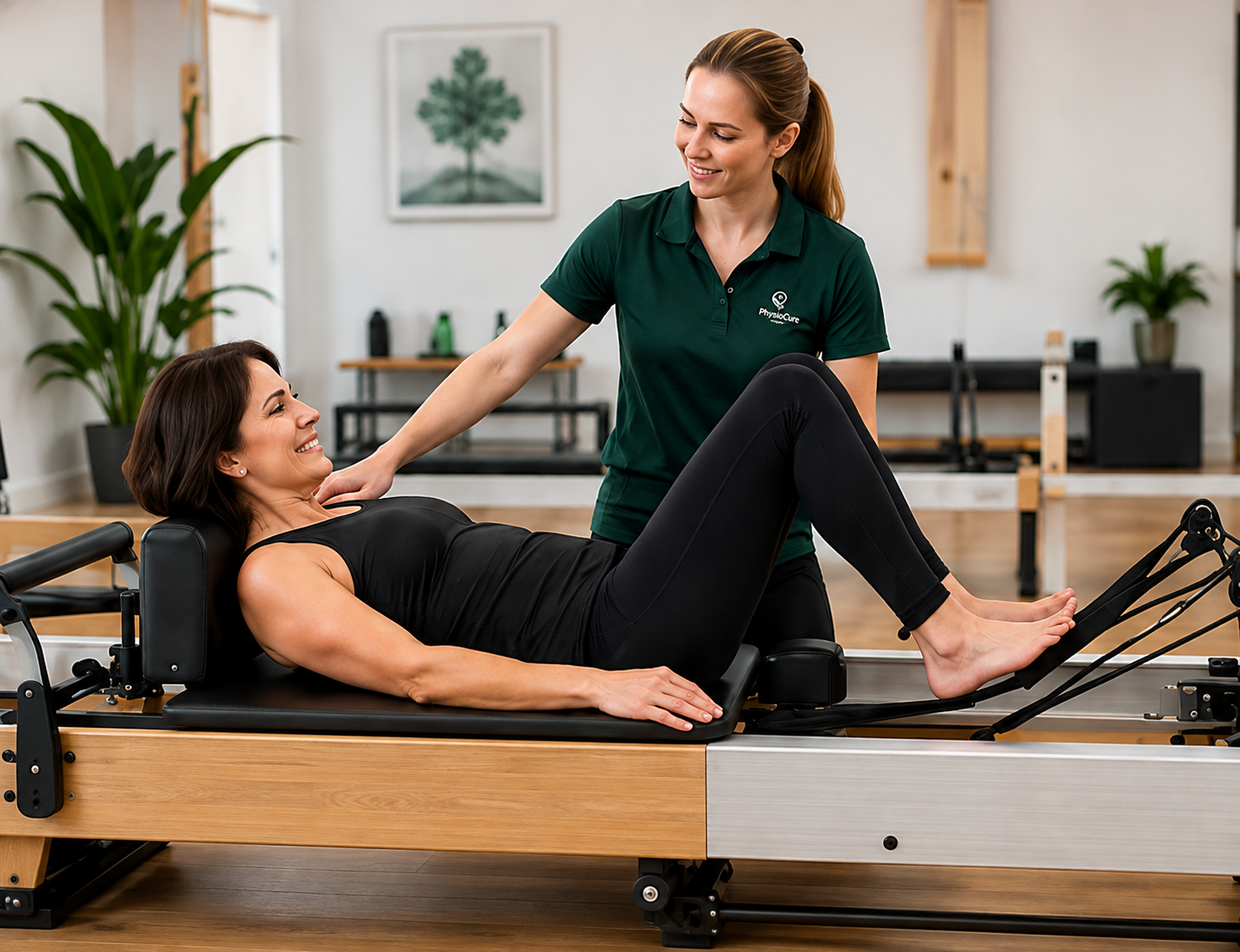
After birth
Build activity at a pace that fits your recovery.
Your starting point and progression should reflect healing, comfort, strength and daily demands. Discuss continuing pain, bladder or bowel symptoms, or pelvic heaviness with your doctor, midwife or an appropriately trained pelvic-health clinician.
There is no single recovery deadline. A particular outcome or return-to-exercise date cannot be guaranteed.
During pregnancy and after birth
Seek urgent medical care.
Urgent symptoms need medical assessment.
- Severe abdominal pain
- Heavy vaginal bleeding
- Severe headache or vision changes
- Chest pain or trouble breathing
- One-sided leg swelling or pain
- Feeling seriously unwell or fainting
Call 000 for a medical emergency. This is not a complete list. Contact your maternity team promptly if you are worried, including about vaginal bleeding, leaking fluid or reduced baby movements.
Common questions
Pregnancy and postnatal FAQs
Do I need a referral?
Private patients generally do not need a GP referral. Please bring relevant medical advice and ask reception about any referral requirements for your funding arrangement. Medical clearance may be appropriate before exercise if there are complications or concerns.
Do you offer internal pelvic-floor examinations?
No. Our women’s-health service is limited to external assessment and treatment. Please contact us before booking if you need an internal examination or specialist pelvic-health care so that an appropriate service can be recommended.
Can I do Clinical Pilates while pregnant?
Suitability is assessed individually. Tell us about your pregnancy and any complications before starting. Exercises may need to be modified, postponed or discussed with your maternity team.
When can I return to exercise after birth?
This depends on your birth, healing, symptoms and medical advice. Begin gradually and have persistent or concerning symptoms assessed. There is no fixed timetable that suits everyone.
Will abdominal separation resolve with exercise?
Recovery varies. Assessment can guide exercise and activity advice to support strength, movement and function. A particular change in the size of the gap cannot be promised.
Can I bring a support person?
You may request a chaperone or support person. Contact reception ahead of time if you need particular arrangements, and tell your clinician what would help you feel comfortable.
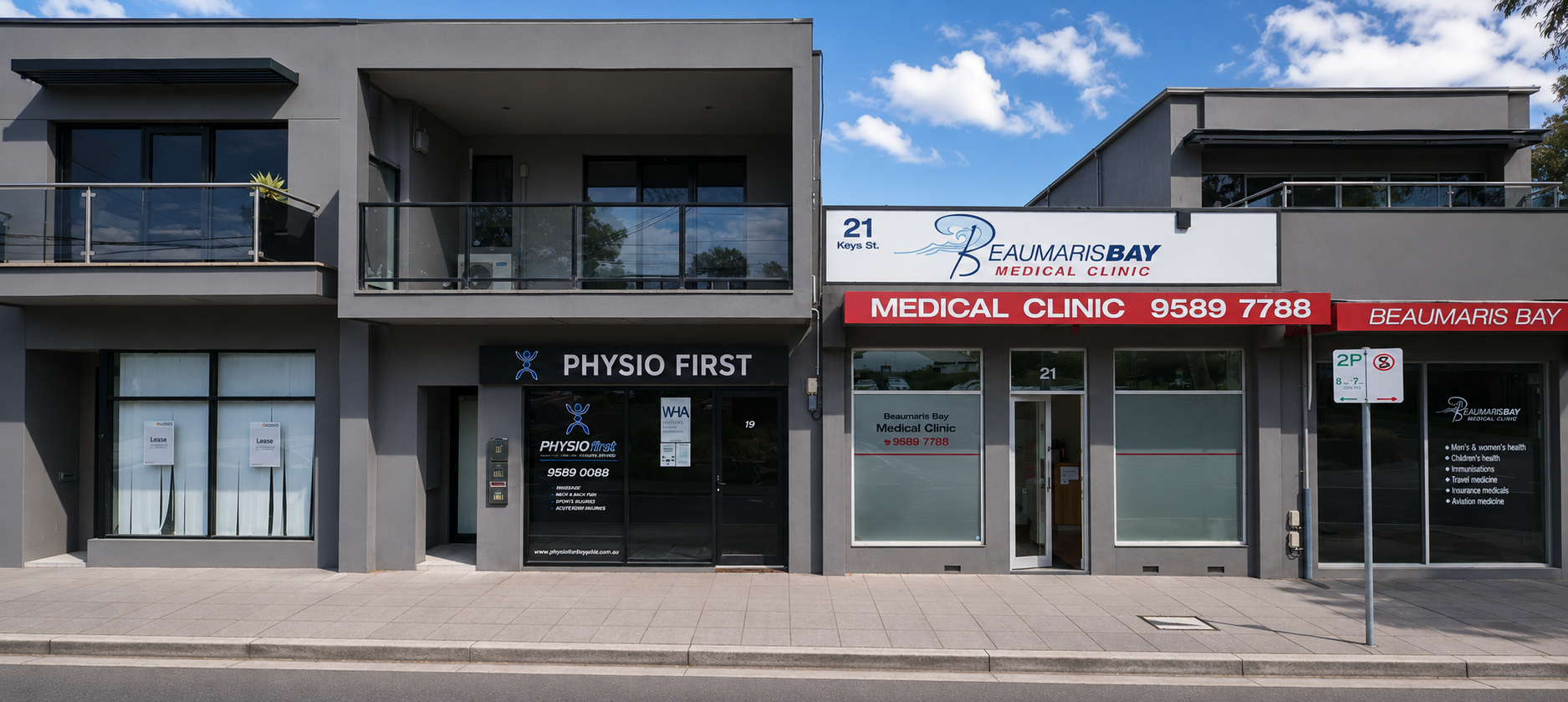
Two Convenient Clinics
Ask reception to confirm the most suitable clinician and current availability at your preferred clinic.

Ask about suitable care
Find your next step.
Contact reception to check the right appointment and clinician for your needs.