Shoulder, elbow, wrist & hand pain
Pain or weakness in your upper limb can affect sleep, work, lifting, exercise and the smallest daily tasks. We assess where symptoms are coming from, explain the findings and plan rehabilitation around what matters to you.
One connected upper limb
Similar symptoms can have different causes
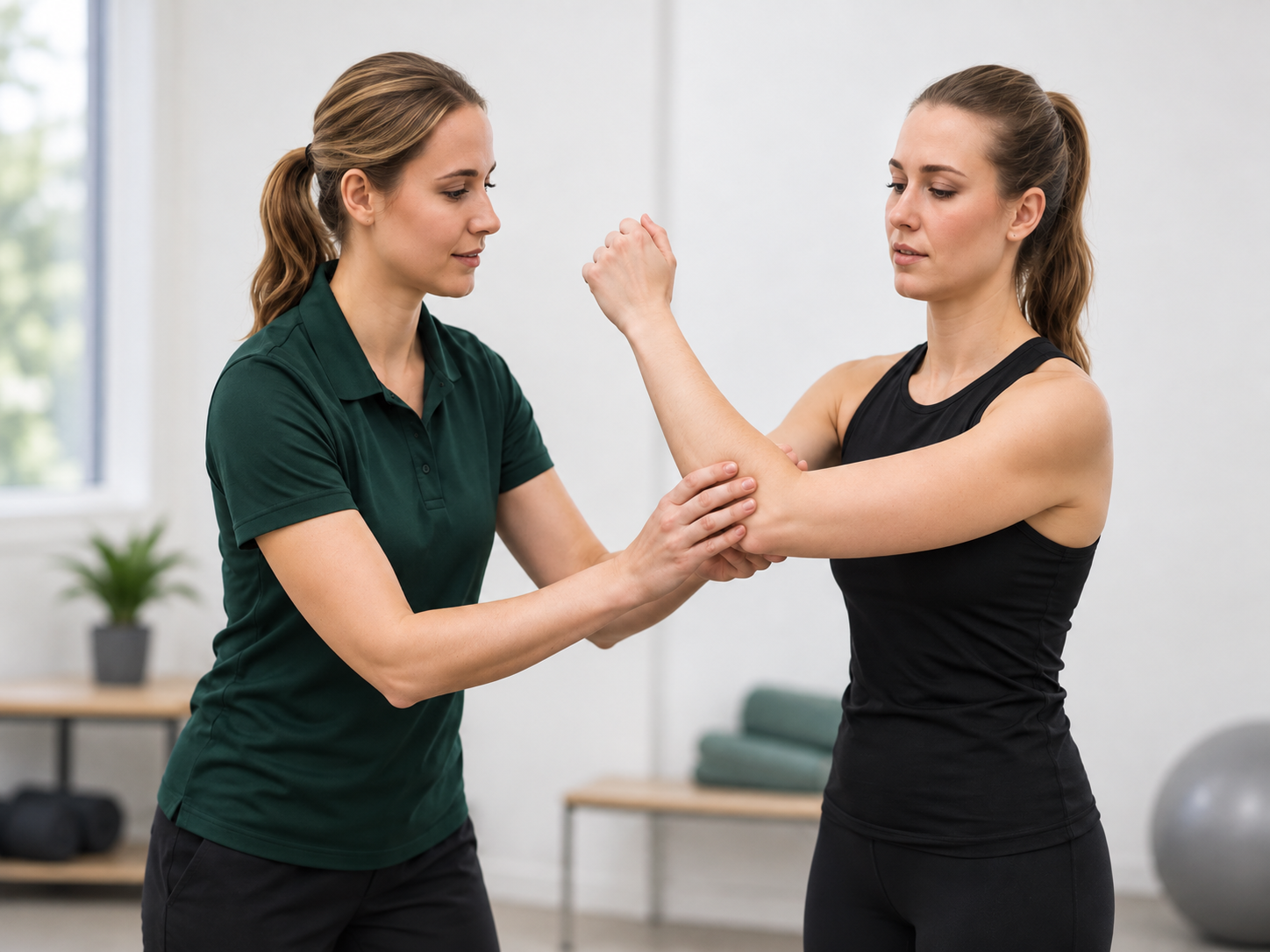
Your shoulder, elbow, wrist and hand work as one movement chain. Symptoms may arise from a joint, tendon, muscle, ligament, bursa or nerve—and pain can sometimes be referred from the neck.
A diagnosis should not be based on the painful spot alone. We consider how symptoms began, what aggravates them, your work and sport demands, movement, strength, sensation and the tasks you want to regain.
Online information is general. An individual assessment is needed to determine whether physiotherapy is suitable and whether medical review or imaging may be required.
Conditions we commonly assess
From shoulder movement to fingertip function
These are examples—not a self-diagnosis list. Several conditions can overlap or produce similar symptoms.
Shoulder pain, weakness & stiffness
- Rotator cuff-related shoulder pain and tendinopathy
- Partial-thickness rotator cuff tears
- Calcific rotator cuff tendinopathy
- Subacromial pain and bursitis
- Frozen shoulder (adhesive capsulitis)
- Biceps tendinopathy
- AC joint sprain
- Instability or dislocation rehabilitation after medical clearance
- Osteoarthritis, post-injury and postoperative stiffness
Elbow and forearm pain
- Lateral elbow tendinopathy (tennis elbow)
- Medial elbow tendinopathy (golfer’s elbow)
- Distal biceps and triceps tendon problems
- Forearm muscle strains and overload
- UCL and sports-related elbow sprains
- Olecranon bursitis
- Elbow osteoarthritis and stiffness
- Post-fracture or post-immobilisation rehabilitation
- Ulnar nerve irritation or cubital tunnel symptoms
Wrist pain, load sensitivity & stiffness
- Wrist sprains and ligament injuries
- Thumb-side pain including De Quervain tenosynovitis
- Ulnar-sided wrist pain and TFCC-related presentations
- Carpal tunnel syndrome and median nerve symptoms
- Extensor or flexor tendon problems
- Ganglion-related symptoms requiring appropriate review
- Distal radius or scaphoid fracture rehabilitation after clearance
- Postoperative or post-immobilisation stiffness
- Load-related wrist pain in work, gym or sport
Hand, finger and thumb problems
- Thumb base (CMC joint) osteoarthritis
- Thumb and finger joint sprains
- Trigger finger symptoms
- Tendon irritation or rehabilitation after injury
- Grip weakness and reduced hand endurance
- Finger stiffness following fracture, surgery or immobilisation
- Median, ulnar or radial nerve-related symptoms
- Work-related repetitive load problems
- Return to writing, keyboard, tools, lifting and sport
Complete tendon rupture, unstable fracture or dislocation, significant nerve compression, infection and some hand conditions require medical or surgical care. We can help identify when referral is appropriate and coordinate rehabilitation when indicated.
Your first appointment
A structured assessment—not a one-size-fits-all treatment
We start with your story and the activities you need to perform, then test the relevant parts of the upper limb and neck.
- How symptoms started and have changed
- Pain behaviour, sleep and daily limitations
- Work, sport and training load
- Shoulder, elbow, wrist and hand movement
- Strength, grip and task tolerance
- Nerve sensation, reflexes or neck screening when relevant
- Previous injury, scans, surgery and health factors
- Clear next steps and measurable goals
We will discuss what the findings may mean, reasonable treatment options, expected benefits and risks, alternatives, and your preferences before treatment.
Your rehabilitation plan
Care matched to the diagnosis, stage and goal
Active rehabilitation is usually central. Other treatments are selected only when they are appropriate and may help you participate in movement and loading.
Understand
Explain the likely source of symptoms, contributing loads and any need for referral or investigation.
Settle & protect
Modify aggravating tasks without unnecessary complete rest. A brace, splint or taping may suit selected presentations.
Rebuild capacity
Progress mobility, tendon or muscle loading, grip, coordination and whole-arm strength.
Return confidently
Rehearse work, home, gym and sport demands, then plan maintenance and load progression.
Treatment options may include
No single modality suits every person. Treatment choice follows assessment, informed consent, clinical indications and your goals.
Education & load management
Practical changes to painful tasks, training, desk set-up, sleep positions and pacing.
Exercise rehabilitation
Mobility, isometric and progressive resistance, grip, endurance and task-specific exercise.
Manual therapy
Selected joint mobilisation and soft-tissue techniques may be used as an adjunct to active care.
Taping, braces & splints
Short-term support may help selected elbow, wrist, thumb or hand presentations.
Dry needling
May be considered for selected muscular symptoms after screening and informed consent.
Shockwave therapy
May be considered for selected persistent tendon problems or calcific shoulder presentations; it is not suitable for everyone.
Comfort-focused modalities
Heat, TENS or therapeutic ultrasound may be considered in selected cases, but do not replace progressive rehabilitation.
Work & sport retraining
Graded lifting, pushing, pulling, gripping, throwing or racquet demands according to your role.
Recovery expectations
Progress is measured by function—not a promised deadline
Timeframes depend on the diagnosis, symptom duration, tissue involvement, health, work and sport demands, and how rehabilitation progresses.
May improve over several weeks when aggravating load is adjusted and movement is restored.
Often needs consistent progressive loading over weeks to months; improvement can be gradual.
Can take many months and may follow a variable course. Rehabilitation is adapted to irritability and stage.
Depends on healing, medical instructions and functional demands, and may take several months.
Seek urgent assessment when symptoms may be serious
Seek urgent medical care after major trauma, visible deformity, suspected fracture or dislocation, a cold/pale/blue hand, rapidly increasing swelling, a hot red joint with fever, sudden marked weakness, or worsening numbness and loss of hand function. Call 000 for chest pressure, shortness of breath, sweating, nausea or arm pain that may be heart-related.
Common questions
What patients often ask
If your question is not answered here, email reception@physiocure.com.au.
Do I need a scan before seeing a physiotherapist?
Not always. Your history and physical assessment often guide the first steps. We can discuss whether medical review or imaging may be appropriate—particularly after significant trauma, suspected fracture, dislocation, complete tendon rupture or progressive neurological symptoms.
Can a neck problem cause arm or hand symptoms?
Yes. Nerves from the neck travel into the arm and hand. Neck or nerve problems can contribute to pain, pins and needles, numbness or weakness, so the neck and nervous system may be screened when relevant.
Should I stop using my arm completely?
Not necessarily. Temporary activity modification may help, but prolonged complete rest can reduce strength and capacity. Advice depends on the diagnosis, irritability, trauma history and healing stage.
Will I need a brace or splint?
Some wrist, thumb, hand or elbow presentations may benefit from short-term support. It should be selected and fitted for a clear purpose, with a plan to maintain or rebuild movement and capacity.
How long will recovery take?
A mild overload or sprain may improve within weeks. Persistent tendinopathy, marked stiffness, nerve involvement, fracture rehabilitation or postoperative care may take several months. We review progress and adjust the plan rather than guarantee a fixed timeframe.
What should I bring to my appointment?
Bring relevant referrals, scan reports, surgical or fracture instructions, a medication list, and any brace or splint you use. Wear clothing that allows the shoulder and arm to be assessed comfortably.
Evidence-informed care
Sources supporting this page
Clinical evidence informs care alongside assessment findings, clinician judgement and patient preferences.
Ready for a clear next step?
Book an upper-limb assessment
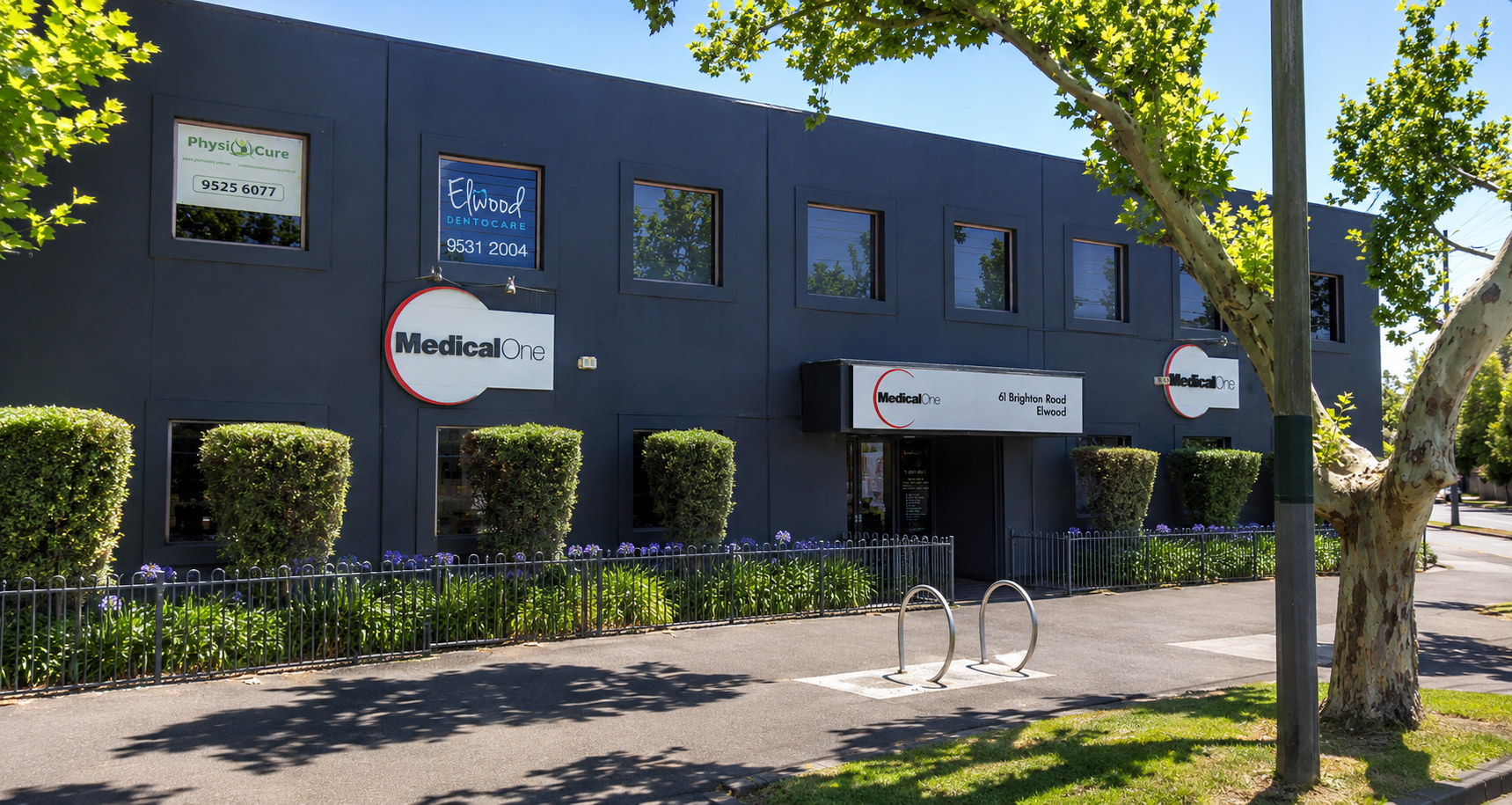
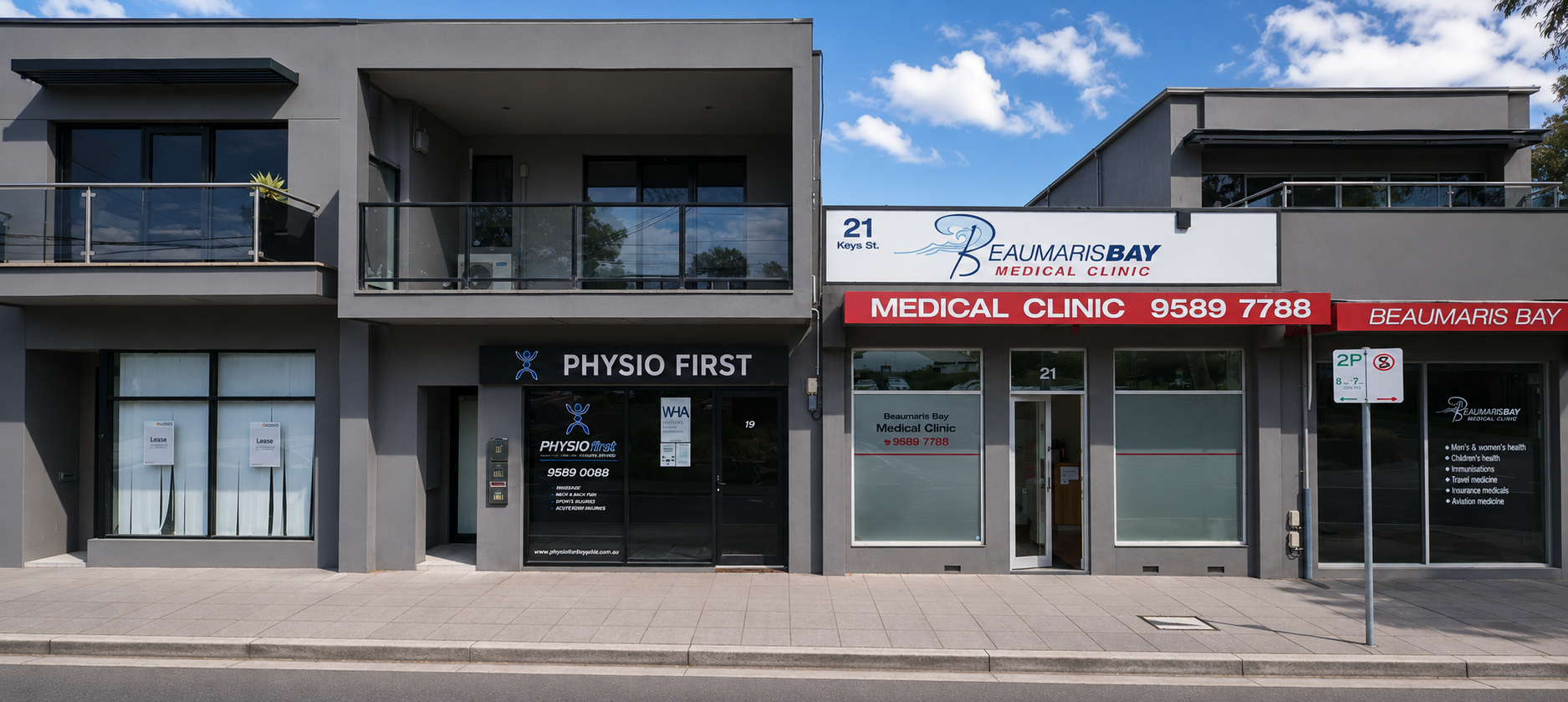
Choose Physio Cure in Elwood or Physio First in Beaumaris.
Two Convenient Clinics
Choose the clinic that is most convenient for you.