Muscle, joint & tendon injuries
Pain, weakness or restricted movement can affect work, exercise, sleep and everyday life. Our physiotherapists assess the problem, explain the findings and develop an individual rehabilitation plan.

Conditions we commonly assess
Injuries from shoulder to foot
Physiotherapy may be appropriate for many acute, overuse, recurring and postoperative presentations. The diagnosis and treatment plan are always individual.
Shoulder muscle, joint and tendon pain
- Rotator cuff-related shoulder pain and tendinopathy
- Partial-thickness rotator cuff tears
- Calcific rotator cuff tendinopathy
- Subacromial pain and bursitis
- Frozen shoulder and post-injury stiffness
- AC joint sprains and biceps tendinopathy
Upper-limb overuse and sprain injuries
- Lateral elbow tendinopathy or tennis elbow
- Medial elbow tendinopathy or golfer’s elbow
- Distal biceps and triceps tendon problems
- Wrist and finger joint sprains or stiffness
- Forearm muscle strains and overload
- De Quervain’s-related thumb-side wrist pain
Lateral hip, groin and tendon conditions
- Gluteal tendinopathy and greater trochanteric pain
- Hip osteoarthritis and joint stiffness
- Adductor or groin muscle strains
- Hip-flexor and quadriceps strains
- Proximal hamstring tendinopathy
- Postoperative or post-immobilisation weakness
Knee joint, ligament and tendon injuries
- Patellar and quadriceps tendinopathy
- Patellofemoral pain
- Meniscal injuries
- ACL, PCL, MCL and LCL sprains or rehabilitation
- Knee osteoarthritis and stiffness
- Hamstring or quadriceps strains and contusions
Ankle sprains, heel pain and tendon problems
- Lateral ankle ligament sprains and instability
- High ankle or syndesmosis sprains
- Achilles tendinopathy
- Calf muscle strains
- Plantar heel pain or plantar fasciopathy
- Peroneal and posterior tibial tendon problems
Muscle and joint-related spinal pain
- Mechanical lower back and neck pain
- Muscle strains and movement-related stiffness
- Thoracic spine and rib-joint pain
- Cervicogenic headache
- Jaw pain and temporomandibular disorders
- Deconditioning after injury or inactivity
Suspected fractures, dislocations, complete tendon ruptures, significant trauma and some postoperative presentations may require medical or surgical review before or alongside physiotherapy.
Your first appointment
A structured physiotherapy assessment
Your physiotherapist will ask about the onset, behaviour and impact of symptoms, relevant health history, work or sport demands and what you want to return to.
With your informed consent, the physical assessment may examine:
- Movement, joint range and functional tasks
- Strength, endurance and tendon-load tolerance
- Balance, coordination and joint stability
- Relevant neurological or special tests
- Work, exercise and sporting requirements
We explain the working diagnosis and discuss options, expected benefits, material risks, alternatives and the choice to modify or stop treatment.
Individual, evidence-informed care
How physiotherapy may help
Management depends on the condition, irritability, stage of healing, personal preferences and goals. Not every treatment is appropriate for every person.
Understand and settle
Education, activity modification, pacing and practical symptom-management strategies.
Restore movement
Graded mobility, flexibility and movement practice appropriate to the injured area.
Rebuild capacity
Progressive strength, endurance, tendon loading, balance and coordination exercises.
Return confidently
Work, daily activity or sport-specific progressions with measurable functional goals.
Treatment options may include
Active rehabilitation is usually central. Hands-on care and equipment-based modalities are selected only when clinically appropriate and generally support—not replace—the rehabilitation program.
Exercise rehabilitation
Strength, mobility, balance, tendon loading, power and return-to-activity progressions.
Manual therapy
Joint mobilisation or manipulation and soft-tissue techniques may be considered as adjuncts, following assessment and consent.
Taping or bracing
Short-term support, load modification or confidence while function is progressively restored.
Symptom-relief modalities
Heat, TENS or therapeutic ultrasound may be considered selectively, depending on the presentation and evidence.
Dry needling or cupping
May be discussed as optional adjuncts for selected presentations, with specific informed consent and screening.
Shockwave therapy
May be considered for selected persistent tendon conditions or calcific tendinopathy after assessment; it is not suitable for every injury.
Return-to-work or sport planning
Graded exposure to the movements, loads, speed and endurance required for your goals.
Referral and coordination
Communication with a GP, specialist or other provider, and imaging or further review when clinically indicated.
Realistic expectations
How long might recovery take?
There is no single recovery time for all muscle, joint and tendon injuries. Your physiotherapist can provide a more meaningful estimate after assessment and update it according to your progress.
Mild injuries may improve within several weeks. Larger or recurrent tears commonly require longer rehabilitation.
Recovery may range from weeks to months depending on tissue damage, instability and functional demands.
Meaningful capacity change commonly requires consistent progressive loading over at least several weeks and sometimes months.
Management focuses on function, strength, confidence and symptom control rather than promising a cure.
Seek appropriate medical care
Symptoms that should not wait for a routine appointment
Seek urgent medical assessment for major trauma, obvious deformity, a suspected fracture or dislocation, inability to bear weight, a hot swollen joint with fever, sudden calf swelling with chest pain or shortness of breath, or rapidly progressive weakness or numbness. Call Triple Zero (000) for life-threatening symptoms.
Frequently asked questions
Clear information before you book
If your question is not answered here, email reception@physiocure.com.au.
Do I need a scan before seeing a physiotherapist?
Not always. Your physiotherapist can assess the symptoms and function, then discuss whether medical review or imaging may be appropriate. Imaging is not required for every muscle, joint or tendon problem.
Should I completely rest a tendon injury?
Complete rest is not usually the long-term solution for tendinopathy. Activity may need to be modified, followed by a progressive loading program based on symptoms, capacity and goals.
Can physiotherapy help an old or recurring injury?
Physiotherapy may identify ongoing mobility, strength, balance, load-tolerance or movement problems and provide a graded plan. Assessment is needed to decide whether physiotherapy is appropriate for your presentation.
Will I receive hands-on treatment?
Hands-on treatment may be offered when clinically appropriate, but it is not automatically required. Your physiotherapist will discuss the options, obtain consent and usually combine relevant symptom-relief strategies with active rehabilitation.
What should I bring to my appointment?
Bring relevant referrals, imaging or reports, your claim details if applicable, and clothing that allows the affected area to be assessed comfortably. You may ask for treatment to be modified or stopped at any time.
Evidence-informed information
Clinical guidance used for this page
This patient information was reviewed in September 2026. Evidence guides care but does not replace individual assessment and clinical reasoning.
Take the next step
Get a clear plan for your injury.
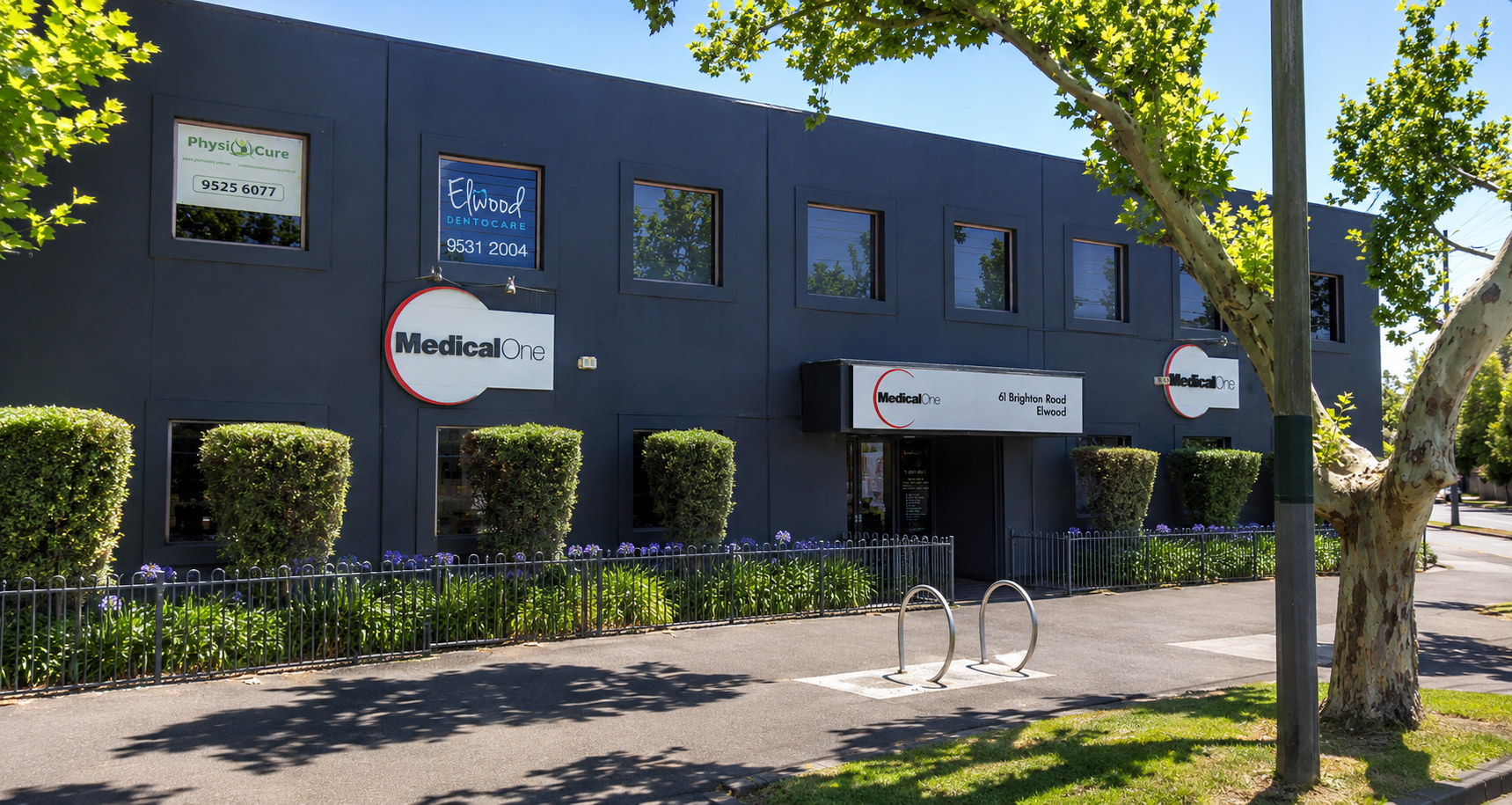
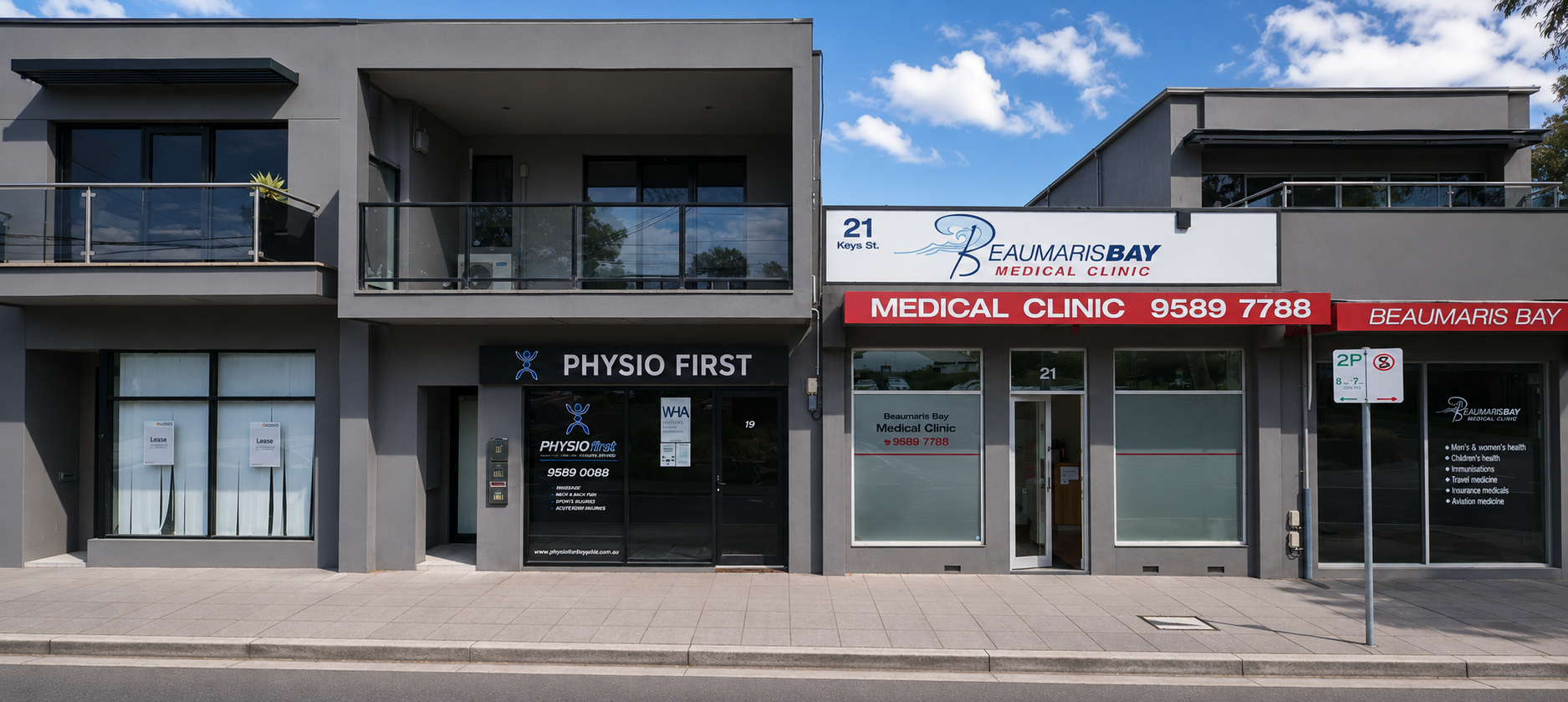
Book a physiotherapy assessment at Physio Cure — Elwood or Physio First — Beaumaris.
Two Convenient Clinics
Choose the clinic that is most convenient for you.